
















UFC Fight-Week Updates From Announcement to Results
How to Read UFC Fight-Week Updates Before Fight Night
A UFC card can look settled long before the opening fight, yet its information keeps changing through fight week. A matchup announcement establishes the expected pairing; later updates deal with card position, weigh-ins and eventually the official result.
A betting price shown after a 1xbet download would still belong to a separate commercial layer, because it does not determine where the bout sits or whether its sporting status changes. The useful distinction is chronological. Some updates describe what is scheduled. Others confirm conditions immediately before competition. Only fight-night results record what actually happened.
A matchup announcement is only the first version of the card
An announced bout establishes who is expected to compete and usually identifies the relevant division. It may also establish championship status where that applies.
It does not freeze every other detail.
Later updates can place the bout on the preliminary portion or the main card. A matchup can also receive main-event or co-main-event status. Fight-week coverage then establishes whether the announced pairing remains intact as the event approaches.
The categories are easier to separate when their jobs are compared directly.
| Update | What it establishes |
| Matchup announcement | Expected pairing |
| Card placement | Position within the event |
| Official weigh-in | Recorded competition weight |
| Ceremonial faceoff | Public presentation |
| Fight-night result | Official competitive outcome |
One card can therefore generate several accurate headlines without those headlines reporting the same development.
Main-event status describes position rather than fighting style
“Main event” is a programming label. It tells where the bout sits on the card.
It says nothing by itself about whether the contest will be fought mostly at striking range or spend long periods in grappling exchanges. Nor does the label establish how close the contest will be.
That distinction matters because card information and matchup analysis are often published together. A move into the main event changes the programme. It does not rewrite either athlete’s technical characteristics.
The same applies lower down the card. Preliminary placement describes organisation, not an automatic judgment about the technical interest of a bout.
Official weigh-ins and ceremonial faceoffs do different jobs
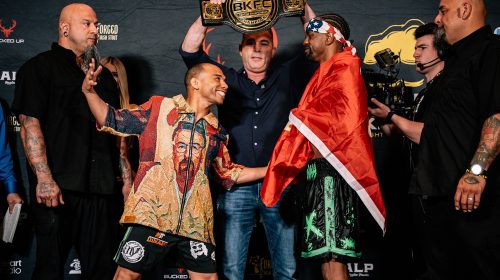
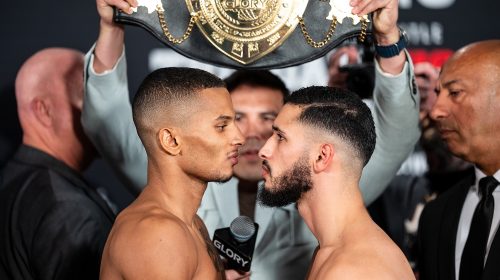
Fight week produces two events that can look similar in photographs while carrying different sporting weight.
The official weigh-in records whether the competition-weight requirement has been met. The later ceremonial presentation is built around the public appearance and faceoff.
That makes the official result the meaningful record for weight status. Images from the ceremonial stage do not replace it.
The distinction also avoids reading too much into presentation. A photograph can show posture or facial expression, but it does not create another official weigh-in result. The record has already been established elsewhere.
Betting prices remain separate from official UFC status
Betting information can change while every sporting detail on the card stays exactly where it was.
A fighter listed at one price earlier in fight week may later be priced differently. That movement does not change the division, convert a preliminary bout into a main-card contest or alter an official weigh-in result. Even after 1xbet registration by phone number free, a market price would remain commercial information rather than an official UFC ranking or prediction. The two layers can concern the same fight without carrying the same authority.
That difference is especially notable near fight night, when odds and sporting updates may both move quickly. A favourite label belongs to market pricing. It does not become part of the official bout record.
Responsible betting keeps that uncertainty intact: prices do not guarantee a result, and predetermined spending limits keep wagering separate from the sporting information being followed.
Prelims and the main card organise the event
The preliminary and main-card labels divide the programme into different portions. They help establish order and presentation before the event begins.
They are not quality scores.
A preliminary contest can still contain a close technical matchup, while main-card placement does not promise a particular kind of fight. The label tells where to find the bout in the running order rather than what will happen once the opening signal is given.
This is why a card update can be significant without changing the matchup itself. Moving a bout changes its place in the programme. The athletes and division may remain unchanged.
Fight-night results replace scheduled status with an outcome
Before competition, the language remains provisional by nature. Coverage deals with scheduled pairings and card position. Weigh-in status adds another confirmed layer just before the event.
Once a bout is complete, the vocabulary changes.
The result identifies the winner and official method. Where judging is required, scorecards can add the formal scoring record. Those details belong to the completed contest rather than the pre-fight card.
That final change is the cleanest boundary in fight-week coverage. An announcement says what is expected to happen; a result records what did. Everything between those two points helps describe the card more precisely without becoming the outcome itself.