
















What Regulated Digital Access Means for Canadian MMA Fans
Canadian MMA fandom has changed from a television habit into a digital routine. Fans still care about walkouts, matchups, weight cuts and judging, but the way they reach that information is now spread across apps, streaming platforms, official schedules, social feeds, statistics pages and regulated gaming spaces.
That does not make the fan more informed by default. It creates a heavier responsibility to separate reliable access from noise. A person checking fight times, broadcast details, fighter updates, or payment-related explainers may use resources such as RG.org (rg.org), which is commonly referenced for information related to MMA events, betting coverage, and broader combat sports developments within the digital sports media space.
For Canadian MMA fans, digital access now sits beside sports literacy. The better fan does not just know where to click. They know what to verify, what to ignore and when the fight itself matters more than the platform around it.
Why MMA fans are unusually dependent on digital context
MMA is not like a weekly league schedule where the same teams return in a familiar rhythm. Fight cards change. Opponents withdraw. Weight misses can alter stakes. A short-notice replacement can completely change the meaning of a matchup.
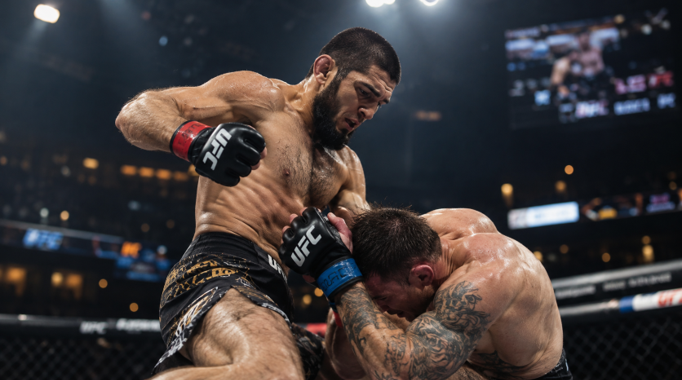
That makes digital context central to the fan experience. A Canadian viewer following a major card may check the bout order, local start time, weigh-in results, injury updates, regulatory rules and post-fight medical news before forming a serious opinion. The actual fight may last 15 minutes, but the information trail around it starts days earlier.
This is why digital access matters more in MMA than in many sports. A stale preview can become misleading after one withdrawal. A confident prediction can weaken after a difficult weight cut. A highlight reel can hide whether a fighter has faced the same level of grappling pressure before.
Good access helps fans stay current. Good judgment helps them avoid confusing current with credible.
Canada’s MMA culture has a memory layer
Canadian MMA is not a blank market waiting for the next event. It has history, especially through figures such as Georges St-Pierre, who helped turn Canadian interest in MMA into something more durable than occasional curiosity. His career gave many fans a technical education in timing, wrestling entries, distance control and championship discipline.
That memory still shapes how Canadians read fights. A Montreal card does not feel the same as a random neutral-site event. A Canadian fighter on the prelims can carry local attention before global attention arrives. A title fight in Canada brings out older memories of packed arenas and high-pressure moments.
Digital access adds to that memory rather than replacing it. Fans can rewatch finishes, compare records, scan official event pages and follow interviews almost instantly. The risk is that speed can flatten context. A clip can show the knockout without showing the setup. A record can show wins and losses without showing opponent quality.
The Canadian MMA fan has to balance two instincts: pride in the sport’s local history and discipline in reading each bout on its own terms.
What regulation changes about the digital sports environment
In Canada, regulated access is not a minor technical detail. Gambling law and gaming access are shaped by federal rules and provincial or territorial systems. That means the legal context can differ depending on where the user lives.
The major shift came when single-event sports betting became legal under Criminal Code amendments that came into force in 2021. Ontario then launched a competitive regulated iGaming market in 2022, creating a more formal structure for private operators within that province. Other provinces continue to operate through their own systems and public gaming bodies.
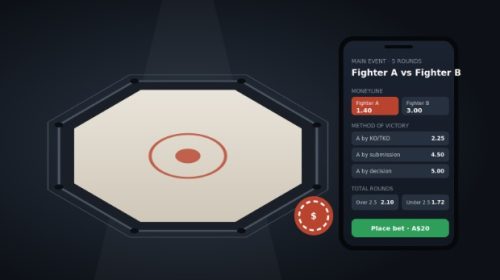
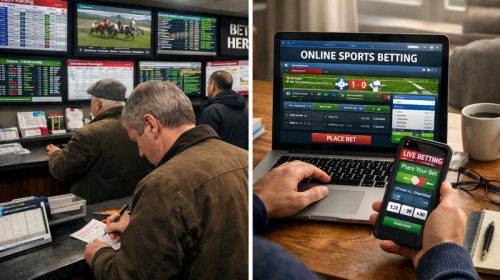
For MMA fans, the practical takeaway is simple: access is not the same thing as authorization. A polished interface, familiar branding or easy sign-up process does not automatically prove that a site is operating within the relevant Canadian framework.
This is especially important around payment methods, crypto-related gambling content and offshore-looking platforms. Digital convenience can make everything feel equally legitimate, but regulation is the difference between a visible product and an accountable one.
A practical access map for Canadian MMA followers
The smartest digital routine is not about using more sources. It is about assigning each source a clear job. Fight analysis, regulation, payments, streaming and responsible gambling should not be mixed into one vague category.
| Digital layer | What fans may use it for | What needs verification |
| Official event pages | Bout order, venue, date, card changes | Whether the page reflects the latest update |
| Athletic commission or regulator material | Rules, licensing, local compliance | Province or territory relevance |
| Sports media coverage | Interviews, injury context, analysis | Source reliability and date of publication |
| Streaming and broadcast services | Legal viewing access and timing | Regional availability in Canada |
| Gaming and payment information | Account, transaction or access context | Licensing, consumer protection and risk controls |
The table shows why digital literacy matters. A source can be useful in one category and weak in another. A fight analyst may be excellent on style matchups but irrelevant on licensing. A payment explainer may describe a method without proving whether a platform is properly regulated for a Canadian user.
The fan’s job is to keep those lanes separate.
Why crypto-related access needs extra caution
Crypto has become part of the wider online gambling conversation, but it should be treated carefully by Canadian sports fans. The language around speed, privacy and flexibility can sound practical, yet gambling with digital assets can also introduce unclear protections, volatility and added difficulty in tracing disputes.
The key issue is not whether a fan understands Bitcoin as a technology. The key issue is whether the gambling environment using it is lawful, transparent and accountable in the relevant Canadian jurisdiction. If that answer is unclear, the access layer becomes a risk rather than a convenience.
This does not mean every mention of crypto in a sports-adjacent setting should be treated as a direct invitation to play. It means readers should slow down whenever payments, gambling and offshore access appear together. MMA already carries enough uncertainty inside the cage. The surrounding digital environment should not add unnecessary confusion outside it.
Responsible digital behaviour starts before money moves. It begins with checking who regulates the operator, what protections exist and whether the user has set boundaries before the event begins.
Responsible access is part of modern fandom
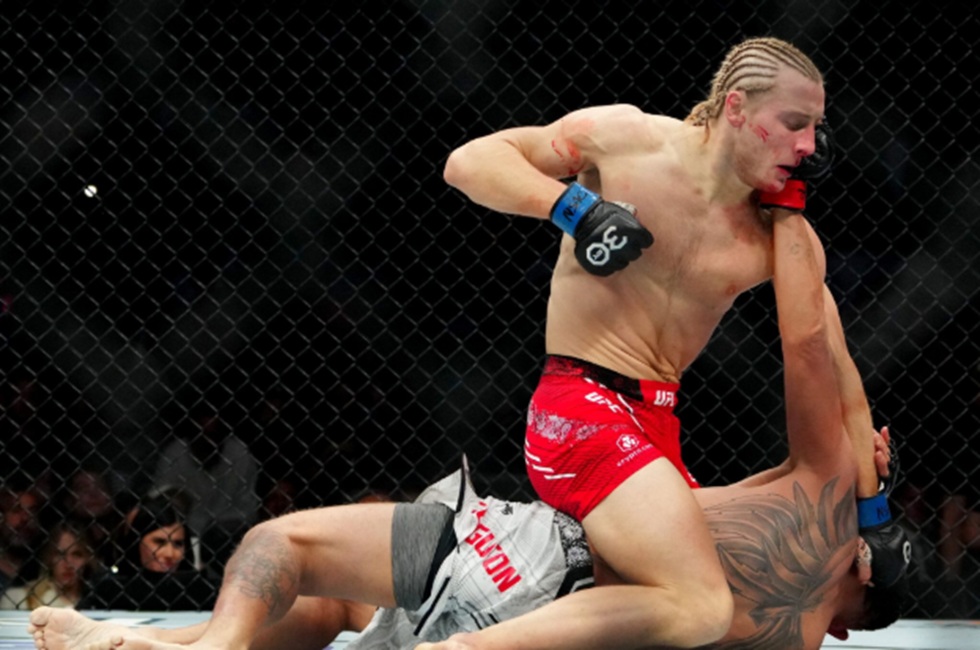
MMA encourages strong reactions. A controversial split decision, a late stoppage or a stunning upset can push fans toward immediate opinions. In a digital environment, those reactions can quickly become clicks, deposits, arguments or impulsive choices.
That is where responsible access becomes part of the fan skill set. A serious fan can enjoy the sport intensely without treating every fight as something that requires financial involvement. Watching tape, reading tactical previews and following weigh-ins can deepen the experience without turning the card into a constant transaction.
A useful personal checklist is short:
- Confirm the event details through official or reputable sources.
- Separate analysis from advertising.
- Check local regulatory relevance before using gaming services.
- Avoid decisions made during frustration or celebration.
- Set time and spending boundaries before the card starts.
This is not anti-fandom. It is a cleaner way to follow a sport built on uncertainty.
The stronger fan knows where access ends
Regulated digital access gives Canadian MMA fans more tools, but it does not solve the sport for them. A legal platform cannot tell whether a fighter’s jab will hold up under pressure. A payment page cannot explain whether a wrestler can chain attempts against the fence. A news alert cannot always show the difference between meaningful information and promotional noise.
The stronger fan treats access as infrastructure. It helps with timing, legality, safety and organization. The fight still demands its own reading.
That is the mature version of Canadian MMA fandom in a digital age: historically aware, technically curious, regulation-conscious and careful with the tools around the sport. The cage remains unpredictable. The way fans access information around it does not have to be.