







Fight-Week Sleep Engineering: The Missing Edge Between the Weigh-Ins and the Walkout
If you read MyMMANews recaps long enough, you start to see the same pattern: brutal weight cuts, late media, bright lights, and then someone looks flat in Round 2. Fans call it cardio. Coaches call it “didn’t feel like himself.” A lot of the time, it’s sleep debt showing up with 4 oz gloves on.
Most performance talk in MMA focuses on strength, conditioning, and nutrition. Sleep sits in the background until it breaks. That’s a mistake, because sleep is where reaction time, glucose control, tissue repair, and emotional regulation actually cash out. For fighters, it also determines how well you tolerate the stress stack that comes with fight week.
The goal is not “sleep more.” The goal is controlled sleep timing and protection of deep sleep when everything around you is trying to wreck it.
Why fight-week sleep collapses even in disciplined camps
Adults generally need 7 to 9 hours of sleep for consistent cognitive and metabolic function. Fighters often run below that during the exact stretch where they need precision most. Travel, early check-ins, adrenaline, dehydration from the cut, and late-night screen time can all shift circadian rhythm and fragment sleep.
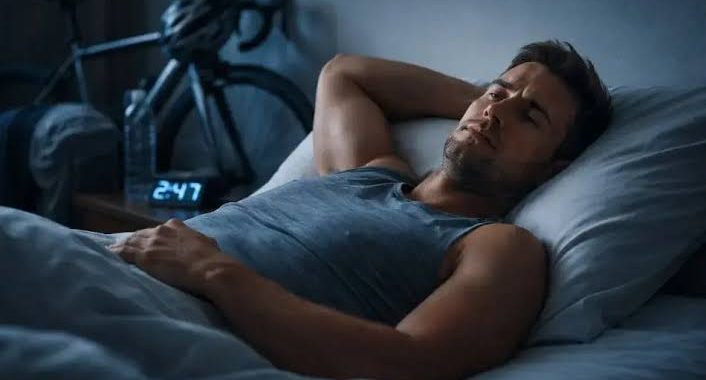
Fragmented sleep is its own problem. Even if total time in bed looks decent, repeated wake-ups crush slow-wave sleep, which is closely tied to physical recovery and immune function. You can feel this in sparring: more “sticky” fatigue, heavier legs, worse pace control, and a shorter fuse with teammates.
Fight week also adds pain and niggles. That’s where a lot of fighters start experimenting, sometimes recklessly, with recovery compounds. If you’re hearing teammates talk about peptides, keep the basics first: consistent sleep timing, hydration, and carbohydrate timing still move the needle more than most exotic add-ons. If you do go down that road, at least keep it tied to a recovery plan and not panic mode, the same way you would if you decided to buy BPC-157 online.
The weight cut is a sleep problem disguised as discipline
Hard cuts tend to create a perfect storm: low glycogen, elevated stress hormones, and nocturia from aggressive water loading or late rehydration. Add the mental strain of making a number and you get hyperarousal: the body is exhausted but the nervous system refuses to downshift.
There is also a simple behavioral trap. Fighters push training and sauna late, then try to “pass out” immediately. Core body temperature is still elevated, heart rate is still up, and the brain is still locked into problem-solving mode. You might fall asleep from exhaustion, but sleep quality is usually garbage.
Make the cut earlier in the day if you want to sleep at night
If you have control over scheduling, finish the most aggressive sweating earlier. Give yourself a buffer before bed so temperature and heart rate can normalize. A warm shower close to bedtime can help by driving a rebound drop in core temperature afterward, but you need time for that effect.
The 3 levers that actually work: light, caffeine, and carbs
Light is the main switch for circadian timing. In fight week hotel life, you can accidentally live in dim indoor lighting all day, then blast your eyes with bright screens at midnight. That combination drifts your schedule later and makes early obligations feel like jet lag.
Get bright outdoor light early for 10 to 20 minutes if possible, even if it’s just a walk after breakfast. At night, dim the room and reduce overhead lighting. You’re trying to send your brain one clear message: mornings are bright, nights are dark.
Caffeine is the next lever. The half-life is commonly around 5 to 6 hours, meaning that “afternoon coffee” can still be active at midnight. During fight week, treat caffeine like a tool, not a vibe. Set a hard cutoff at least 8 hours before bed if sleep has been shaky, earlier if you’re sensitive.
Carbs are the underused lever. Post-cut and post-weigh-in, a moderate carbohydrate meal at dinner can help many athletes fall asleep faster by nudging serotonin and melatonin pathways, especially when stress is high. This is not a license to binge. It is a performance move: replenish, calm the system, then sleep.
Pre-fight nerves: what to do when you can’t shut it off
Some fight-week insomnia is plain adrenaline. You can’t “biohack” the fact that you’re about to fight, but you can stop feeding the loop. Keep the same wind-down routine even if sleep is imperfect. If you can’t sleep after about 20 minutes, get out of bed, keep lights low, and do something boring until you feel sleepy again. Staying in bed while wired teaches your brain that bed equals stress.
Breathing drills can help, but don’t turn them into another performance test. A slow exhale bias tends to downshift arousal. The win is feeling slightly more settled, not chasing a perfect heart rate number.
What fans should watch for on fight night
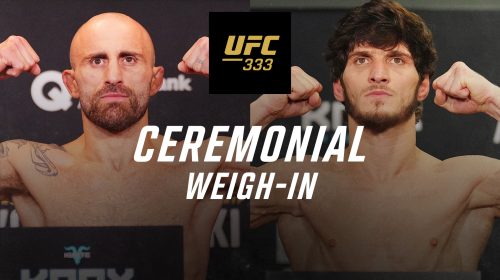
When MyMMANews covers weigh-ins and backstage notes, pay attention to the sleepy tells: glassy eyes, flat affect, unusually chatty energy, or a fighter who looks “tight” and irritated at everything. Sleep debt often shows up as overaggression early, poor pacing, and sloppy defense after the first hard exchange. The body can still be in shape, but the brain is late.
Fight-week sleep engineering is not sexy. It’s just ruthless control of the basics when the schedule, the cut, and the hype try to take control for you. In a sport decided by inches and half-seconds, that’s not wellness talk. That’s a competitive advantage.