













Fight-Week Stress and Women’s Hormones: How to Keep Cortisol From Wrecking Your Cut, Sleep, and Gas Tank
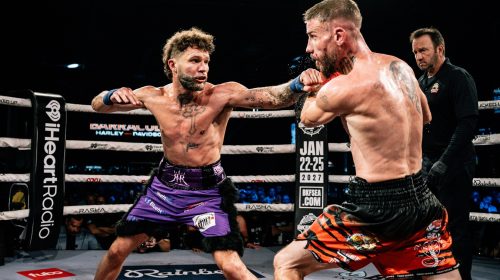
If you follow fight week coverage on MyMMANews, you already know the script: last hard sessions, media, travel, a weight cut that can feel like a second opponent, then the rehydration scramble after the scale. For a lot of women, there’s another layer that doesn’t show up on the tale of the tape: hormones.
Cortisol is not the villain. It is the hormone that helps you wake up, push through hard rounds, and stay sharp under pressure. The problem is when cortisol stays high for too long, especially during camp, weight cuts, and bad sleep weeks. That is when it can start messing with appetite, recovery, cravings, and cycle regularity.
This is for female fighters, training partners, and the women in the stands who train like they mean it. You don’t need a perfect routine. You need a few reliable moves that hold up when the stakes are high.
Why cortisol spikes in camp (and why women feel it differently)
Cortisol rises with intense training, calorie restriction, dehydration, low sleep, and psychological stress. Fight week checks every box. A hard sparring block plus a deficit plus late-night nerves is a perfect storm.
Women also have monthly shifts in estrogen and progesterone that affect sleep, body temperature, and perceived effort. That can change how stress feels in the body. If you have PCOS, the stress loop can feel even louder. PCOS is common, affecting about 1 in 10 women of reproductive age, and it’s closely tied to insulin resistance and difficulty with weight management for many women.
None of this means you are fragile. It means your physiology is giving you data. Ignore it long enough and it tends to show up as stalled fat loss, cravings that hit like a hook, or that wired-but-tired feeling when you should be recovering.
What high cortisol can do to your cut, cravings, and cardio
It can push appetite toward fast carbs
When cortisol runs hot, the brain looks for quick energy. That often means sugary, salty, crunchy. If you have ever nailed your meals all camp, then suddenly stared down the pantry after a brutal session, that is not “no willpower.” That is biology trying to protect you.
It can mess with water balance and scale-day confidence
Cortisol influences fluid retention. Pair that with sodium swings, travel inflammation, and reduced carbs, and the scale can get weird. This is also why the rehydration conversation MyMMANews readers love is bigger than just “drink more water.” Hydration is chemistry, not vibes.
It can slow recovery when you need it most
Training is the stimulus. Recovery is the adaptation. If sleep is short and stress is constant, you can feel flat in pads, heavy in grappling, and short on that late-round pop. Even mild dehydration can matter here, and research commonly shows performance can drop when you lose around 2% of body weight to fluid loss.
If you want a simple, fight-week-friendly ritual that supports a calmer stress response without feeling like another task, some women use a natural cortisol support drink.
Three levers that actually work when life looks like fight camp
Fuel like an athlete, not a dieter
Chronic under-eating is one of the fastest ways to keep cortisol elevated. It also increases the chance of menstrual disruption in athletes, and studies across sports show menstrual dysfunction rates can range from single digits to well over 50%, depending on the population and how aggressive the training and fueling mismatch is.
If you are cutting, make the deficit strategic, not chaotic. Keep protein steady. A widely used evidence-based range for strength and combat athletes is roughly 1.6 to 2.2 grams of protein per kilogram of body weight per day. Then place carbs where they do the most good, usually around training, so your body is not trying to do five hard rounds on fumes.
Protect sleep like it’s part of the game plan
Sleep is where cortisol resets. When sleep gets chopped up, hunger and stress hormones tend to drift in the wrong direction, and your ability to tolerate hard training drops. On fight week, you might not get perfect sleep, but you can stack the deck.
Keep caffeine early. Put a hard stop on doom-scrolling in bed. If nerves are loud, do the simplest wind-down you will actually repeat: dim lights, a warm shower, then a few minutes of slow breathing with longer exhales. The goal is not Zen. The goal is downshifting your nervous system so you can get to sleep faster and stay there.
Train hard, then actively come down
Combat sports flip the body into high alert. The mistake is staying there. After your hardest sessions, add a short cooldown that signals safety: easy nasal breathing, a light walk, or mobility that feels restorative. It sounds basic, but it is one of the cleanest ways to tell your brain the threat is over.
If your resting heart rate is climbing, your patience is gone, and your cravings are wild, take the hint. That is often a recovery problem before it is a motivation problem.
When it’s more than “normal camp stress”
If your cycle disappears, your acne and hair changes ramp up, or you are gaining around the midsection despite smart training, it is worth getting checked. PCOS, thyroid issues, iron deficiency, and low energy availability can all mimic “just stressed.” You do not need to guess.
Fight prep already demands grit. You don’t need to white-knuckle your hormones too. Keep cortisol in its proper role: a short-term ally, not a full-time roommate.