














Raffles Could Become a Separate Layer of PIN-UP Promotions
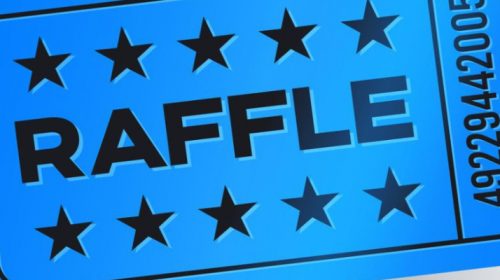
Online gaming promotions usually rely on bonuses, cashback, tournaments and short missions, while prize draws introduce a different rhythm. Instead of distributing rewards according to the same fixed formula for every participant, a raffle can turn qualifying activity into entries for a later draw. This creates a promotional layer that can work across several products without changing the games themselves. For PIN-UP, such a model would not need to replace existing offers. It could connect selected campaigns through tickets, scheduled draws and visible prize stages that give otherwise separate promotions a common structure.
Prize Draws Solve a Different Promotional Task
A cashback offer returns part of a result, a tournament ranks participants, and a bonus applies a predefined reward formula. A raffle separates the qualifying activity from the final allocation of prizes. PIN-UP has already used multi-stage promotional mechanics that provide some of the infrastructure such a model would require. Eurofest in 2024 was divided into four stages with 150 prize positions at each stage, creating 600 prizes in total. America Champions used three stages with 50 prize positions each. These campaigns were based on accumulated points rather than a classic random raffle, but they demonstrate how qualification rules, repeated stages, published results and multiple prize rounds can be organised within one promotion.
This structure could also make a future raffle mechanic flexible. An entry might be linked to a sports campaign, a game collection, a seasonal event or another eligible action without rebuilding the underlying product. Participants would see the same simple unit of progress even when the campaign theme changes. Unlike a leaderboard, a draw would not require everyone to compete for ranking positions. Qualifying actions could instead feed into a later prize event, allowing the mechanic to operate alongside tournaments, cashback and other promotional formats.
A Raffle Layer Can Connect Separate Campaigns
One possible use case is to make tickets a common promotional unit across selected campaigns. A user might receive one entry from a weekly activity and another from a seasonal promotion, while the interface keeps both within a central draw area. Entry points could include the main site, an app, email, pin up casino 360, push notifications or a promotional page, while the ticket status remains visible in one place. This would allow PIN-UP to refresh campaign content without requiring users to learn an entirely new mechanic each time, because the basic relationship between qualifying activity, entry and draw would remain familiar.
The Ticket Connects Activity With a Later Reward
The wider industry is already experimenting with this modular approach. In 2026, Hub88 partnered with LuckyDraw to integrate technology for prize draws, raffles, scratch cards and instant-win games into existing operator environments. Industry analysis has also described prize draws as moving beyond a niche format toward a potentially scalable engagement product positioned between lottery, social commerce and iGaming. For PIN-UP, the relevant idea is not to reproduce a standalone prize-draw business, but to use the same modular principle inside an established promotional ecosystem.
Transparency Becomes Part of the Product Design
A raffle remains simple only when its rules are easy to verify. Participants need to know what creates an entry, how many tickets they hold, when the draw closes, how winners are determined and when prizes are credited. Earlier PIN-UP campaigns already separated qualification rules, promotional stages and published results, providing a useful structural precedent even though those campaigns were not classic raffles. If several promotions eventually feed into one draw system, the interface would also need to show clearly which entries belong to each prize event so that a mechanic intended to simplify participation does not become harder to understand.
The wider prize-draw sector is also placing greater emphasis on governance. Voluntary standards, industry organisations and operator codes increasingly focus on transparent terms, consumer protection, accountable winner selection and verifiable results. These frameworks do not automatically apply to every PIN-UP operation, but they illustrate why a scalable raffle system needs more than attractive prizes. Clear eligibility rules, accessible records and auditable result procedures become increasingly important as the number and size of draws grow.
What a Separate Raffle Layer Would Need
Turning prize draws into a permanent promotional feature would require more than adding a random winner function to existing campaigns. The system would need a stable ticket ledger, clear schedules, eligibility rules and result pages that remain accessible after each stage. It would also need limits on how frequently entries are distributed so that the mechanic does not appear in every interaction and lose its distinct role. The aim would be to give selected promotions a shared reward path rather than make every action produce another ticket. A workable structure would normally require several elements:
- a visible ticket balance linked to specific active draws;
- fixed opening and closing times for every raffle stage;
- clear qualifying actions and applicable eligibility rules;
- published winner-selection and prize-crediting procedures;
- an archive that keeps previous draw results available.
Raffles Can Add Continuity Without Replacing Core Promotions
The main advantage of this model would be continuity. A cashback offer might last a weekend and a tournament two weeks, yet both could contribute to a broader monthly or seasonal draw if the published rules allowed it. PIN-UP could therefore connect campaigns that would otherwise end at separate deadlines. Different prize levels could also operate without changing the underlying products, with weekly entries linked to smaller draws and selected qualifying tickets potentially feeding into a larger final stage. The raffle would create a second timeline above the standard promotional calendar rather than replace it.
Personalisation Can Decide Which Draws Are Visible
PIN-UP has publicly described personalisation and gamification as important product directions, including a move away from one-size-fits-all mechanics. A raffle layer would fit that approach best if users were shown only the prize draws relevant to their activity or eligibility. Sports promotions, gaming campaigns and loyalty programmes could follow different qualification rules while relying on the same ticket technology underneath. The infrastructure could remain unified while the visible offers differ by segment, keeping the mechanic recognisable without turning the promotions area into a long list of unrelated draws competing for attention.
A Draw Can Become Reusable Promotional Infrastructure
PIN-UP already has experience with staged promotions, qualification rules and published prize results, while the wider market is developing raffles and prize draws into dedicated engagement products. A possible next step would be to treat the draw mechanism itself as reusable infrastructure. Ticket records, schedules, result pages and prize rules could remain consistent while individual campaigns change around them. This would give short-term promotions a longer connection without forcing bonuses, tournaments and cashback into the same format. With clear eligibility criteria and transparent result procedures, raffles could become a distinct promotional layer rather than another isolated campaign card.