



















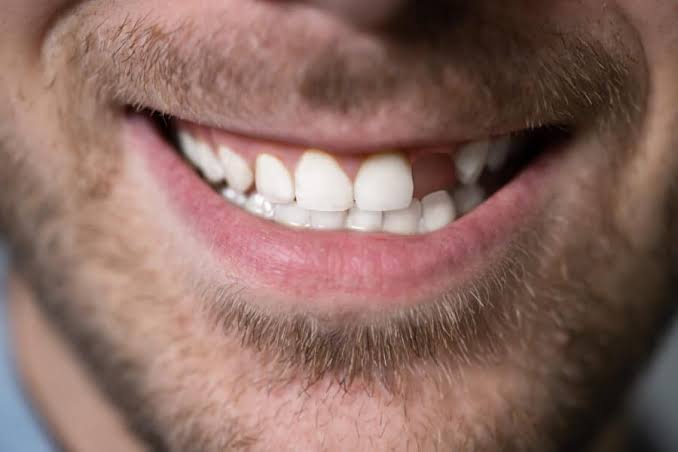
6 Things a Cosmetic Dentist London Looks For Before Changing Tooth Shape
Changing tooth shape sounds simple until the mouth is examined closely. A small edge, a rotated tooth, a dark triangle, or a slightly short tooth can draw the eye, but the cause is not always the visible outline. Shape is influenced by gum position, bite forces, enamel thickness, previous repairs, tooth movement, and the way light reflects from the surface.
That is why a careful consultation does not move straight from concern to contouring, bonding, or veneers. The dentist first needs to understand what has created the shape issue and whether changing the tooth will improve the smile without making the tooth weaker, harder to clean, or less stable over time.
Patients often benefit from this slower start. It shows whether the concern can be refined conservatively, whether several teeth need to be considered together, or whether the shape is a sign of wear or movement that needs a wider plan.
Cosmetic dentist London Dr. Sahil at Marylebone Smile Clinic says that a dental consultation should start by identifying why the tooth looks out of balance. The specialist advice is to check enamel, gum line, bite contact, surface texture, old bonding, and the neighbouring teeth before deciding what to add or remove. That order matters because a neat edge is not always a healthy answer if the tooth is under pressure or if the gum position is creating the visual imbalance. The dentist also reminds patients that conservative shaping depends on measuring small changes carefully. A fraction of a millimetre alters how a tooth catches light, how it meets the opposing teeth, and how easy it is to polish and maintain.
The following checks are not a checklist for patients to diagnose themselves. They are a way to understand why a dentist looks beyond the single tooth that first catches attention.
Once those checks are complete, the treatment choice becomes more precise. A patient may need only smoothing, a small repair, whitening first, alignment, gum care, or a fuller design discussion. The right choice depends on what the examination shows.
Enamel Thickness Sets the Boundary
Enamel is the outer surface that gives a tooth much of its strength and brightness. When shape is changed by smoothing or contouring, the dentist has to respect how much enamel is present and where it sits. Some teeth allow a small refinement easily; others have already been worn, repaired, or thinned.
This boundary is important because cosmetic improvement should not trade a visible concern for sensitivity or weakness. Removing too much structure can expose darker underlying tooth tissue or make the tooth more reactive. Adding material also needs enough healthy surface for bonding and polishing.
Patients often think of shape change as an artistic decision, but it begins with biology. If the tooth does not have the right surface or thickness for the preferred change, the dentist needs to explain safer alternatives rather than forcing the original idea.
Enamel is also not distributed evenly. The cutting edge, side surfaces, and areas near the gum can have different thickness and translucency. A safe refinement in one area may be unsuitable in another, even on the same tooth.
This is why a dentist may measure, photograph, and review the tooth from several angles before making a small adjustment. The visible change may be tiny, but the decision behind it still needs care.
The dentist also considers whether the tooth has already compensated for wear. A shortened edge may be part of a bite pattern that has developed over years. Restoring the original length without understanding that pattern can feel strange or place the new edge under unnecessary pressure.
The Gum Line Changes the Outline
A tooth can look short, long, narrow, or uneven because of the gum position rather than the tooth itself. Recession exposes more root and can make a tooth look longer. Inflammation can make the gum look swollen. Uneven gum levels can make front teeth appear mismatched even when the edges are similar.
Before changing the tooth, the dentist needs to decide whether gum health is stable. Bleeding, swelling, plaque retention, and recession all influence the final outline. A cosmetic change that ignores the gum line may make the tooth look better briefly while leaving the real reason for the imbalance untouched.
Sometimes the answer is simply improved cleaning and review before cosmetic work. In other cases, the dentist may discuss how the planned tooth shape will look once the gums are healthier. That avoids designing around a temporary or inflamed gum position.
Gum position can also make two teeth look different even when their edges match. A patient may ask to lengthen a tooth when the real visual difference is that the gum sits lower on one side. Treating the edge alone would not solve the imbalance.
The dentist may therefore recommend gum health review, photographs, or waiting for inflammation to settle before deciding on shape. A stable gum line gives a more reliable guide for cosmetic decisions.
Gum line assessment is especially relevant when a patient dislikes asymmetry. The difference may come from tooth wear, gum height, or both. If the dentist changes only one part of that relationship, the smile may still feel uneven even after technically careful work.
Bite Marks Explain Repeated Chips
A chipped edge is not always an accident. The way the upper and lower teeth meet can place extra force on a particular corner, especially during chewing, clenching, or grinding. If that force is not understood, a cosmetic repair may chip again even when it was placed well.
Bite review looks for flattened edges, shiny wear marks, cracks, tenderness, and contacts that feel heavy. The dentist may ask about jaw tiredness, headaches, broken fillings, or whether a previous repair lasted only a short time. These clues show whether shape change needs protection as well as repair.
For the patient, this can change the conversation. The question is no longer only how to rebuild a corner. It becomes whether the new edge needs a different design, whether the bite needs adjustment, or whether a protective appliance should be discussed after treatment.
Repeated chips deserve particular attention. If the same corner keeps breaking, replacing it with the same shape and material is unlikely to answer the cause. The repair may need a different outline, a different material choice, or protection from night-time forces.
Patients who grind or clench are not excluded from cosmetic care, but they need honest advice. The plan may include a guard, a more cautious edge design, or a staged repair to see how the tooth behaves.
Bite marks can also influence material choice. A small composite addition may be appropriate in a low-pressure area, while a heavily loaded edge may need a different plan. The dentist should connect the recommendation to the forces the tooth experiences every day.
Neighbouring Teeth Decide What Looks Natural
A single tooth rarely looks wrong by itself. It looks wrong beside its neighbours. Width, length, edge angle, line angles, translucency, texture, and shade all influence whether a small change blends in. A tooth that is made perfect in isolation can look artificial in the smile.
Dentists often study the teeth as a group before adjusting one of them. They look at the midline, smile curve, canine shape, incisal edge position, and how much tooth shows when the patient speaks. Those details determine whether a small repair should be rounded, squared, lengthened, narrowed, or left more characterful.
This is where conservative cosmetic dentistry can feel more subtle than patients expect. The goal is not always symmetry. It is balance. Natural teeth have small differences, and preserving some of those differences can make the result more believable.
Neighbouring teeth also set the rhythm of the smile. If one tooth is widened, the next tooth may suddenly look too narrow. If one edge is lengthened, the smile curve may change. The dentist has to judge the group, not only the tooth the patient points to.
This does not always mean treating several teeth. Often it means using the surrounding teeth as a reference so the single change is less obvious. A small adjustment can look natural when it respects the pattern already present.
Looking at neighbouring teeth also helps avoid over-refinement. If the surrounding teeth have natural texture and small variations, making one tooth perfectly smooth can make it stand out. Matching character is often more flattering than erasing it.
Old Bonding and Fillings Affect the Finish
Existing composite, old fillings, or previous repairs can change how a new shape is planned. Composite may stain, chip, or polish differently from enamel. A filling at the edge of a front tooth may limit how much contouring is sensible. A repair that has been patched several times may need replacement rather than another small addition.
The dentist checks margins, colour match, thickness, and whether the old material is still bonded well. If the material is sound, it may be polished or blended. If it is leaking, rough, bulky, or breaking down, the plan may need to address that before the shape is refined.
Patients sometimes feel disappointed when a simple reshaping appointment becomes a discussion about previous dental work. In reality, that discussion protects the result. New cosmetic work has to sit on a stable foundation, especially in the visible front teeth.
The history of the old material is useful too. Bonding that lasted ten years tells a different story from bonding that chipped after six months. A filling that stains but remains sealed is different from one that catches floss or feels rough.
Patients should mention when older repairs were placed if they know. The dentist can combine that history with examination findings to decide whether polishing, replacement, or redesign is the most sensible next step.
Old bonding can also hide the original tooth shape. Once the material is polished or removed, the dentist may see that the enamel underneath needs a different plan from the one expected. Patients should be prepared for that possibility when previous repairs are involved.
Maintenance Should Be Clear Before Treatment Starts
Every shape change has an aftercare story. Smoothed enamel needs sensible habits and review. Bonding needs polishing and awareness of stain or chipping risk. Veneers and crowns need careful cleaning around margins. Alignment needs retention. The dentist should explain those responsibilities before treatment begins.
Maintenance is not a warning against cosmetic care. It is part of choosing the right level of change. A patient who wants the lowest-maintenance option may prefer a smaller improvement. Someone prepared for polishing, review, or replacement over time may choose a material-based change with a different set of benefits.
The most useful plan is one the patient can live with after the first result settles into daily life. Shape should look good, feel smooth, allow cleaning, and make sense when the tooth is reviewed months and years later.
Maintenance is also personal. Someone who drinks a lot of coffee, plays contact sport, grinds at night, or finds flossing difficult may need a different plan from someone with low stain, low wear, and excellent cleaning access.
Talking about those habits before treatment makes the recommendation more realistic. It helps the patient choose a result they can actually look after, rather than one that only works under ideal conditions.
Maintenance advice should be given before the patient chooses the treatment, not after. If a result depends on polishing visits, night guard use, or careful avoidance of certain habits, those responsibilities belong in the decision itself.
A shape change that is planned this way can be modest without feeling casual. The dentist is still making small decisions, but those decisions are informed by structure, pressure, gum position, and the patient’s expectations.
The patient also gains a better sense of why two similar-looking teeth may receive different recommendations. The visible outline is only the surface of the decision.
These checks also help the patient understand why the same technique is not suitable for every tooth. Contouring, bonding, veneers, and crowns each change shape differently, and the right choice depends on the tooth in front of the dentist, not on the name of the concern.