

















GLP-1 Supplement Drinks for MMA Athletes: Managing Energy and Appetite During Training
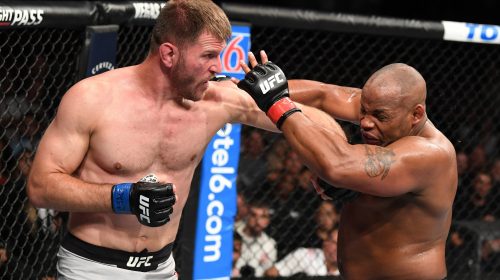
Mixed martial arts demands exceptional physical conditioning and strict dietary discipline. As fighters push through grueling training camps and navigate weight cuts, managing energy levels and controlling hunger becomes critical. Recently, a growing number of combat sports athletes have turned to GLP-1 supplement drinks as part of their nutritional strategy.
GLP-1, or glucagon-like peptide-1, is a hormone naturally produced in the gut that regulates appetite and blood sugar. Supplement drinks designed to support GLP-1 activity have gained attention for their potential to help athletes maintain energy during intense training while reducing the constant hunger that can derail even the most disciplined nutrition plans.
For fighters preparing for competition, these supplements offer two primary advantages:
- Sustained Energy: Supporting consistent energy output during multiple daily training sessions without the crashes associated with simple carbohydrates.
- Appetite Regulation: Helping manage hunger signals that can become overwhelming during caloric restriction, particularly during weight cuts.
Understanding how these drinks work and whether they fit into a fighter’s regimen requires looking beyond marketing claims to examine the underlying physiology and practical application.
The Science Behind GLP-1 and Athletic Performance
GLP-1 functions as a metabolic regulator, released by intestinal cells in response to food intake. Its primary roles include slowing gastric emptying, stimulating insulin secretion, and signaling satiety to the brain. According to research published, GLP-1 receptor activation influences both glucose metabolism and appetite control, making it relevant for athletes managing body composition.
For MMA fighters, this hormonal pathway becomes particularly important during training camps. The combination of high energy expenditure and controlled caloric intake creates a metabolic environment where hunger signals intensify. By supporting natural GLP-1 activity, these supplements may help athletes feel satisfied with appropriate portions while maintaining the energy needed for technical drilling, sparring, and strength conditioning.
The hormone’s effect on energy isn’t about stimulation in the traditional sense. Rather, GLP-1 helps stabilize blood glucose levels, preventing the dramatic spikes and crashes that can impair training quality and recovery. This metabolic steadiness allows fighters to maintain focus and output across multiple sessions per day.
How GLP-1 Drinks Differ from Injectable Medications
The term “GLP-1” has become widely recognized due to prescription medications like semaglutide and tirzepatide, which are administered via injection. These pharmaceutical interventions directly activate GLP-1 receptors and have shown significant effects on weight loss and glycemic control. However, over-the-counter GLP-1 supplement drinks operate through different mechanisms.
Rather than containing synthetic GLP-1 receptor agonists, these drinks typically include ingredients intended to support the body’s natural production of the hormone or enhance its activity. The distinction matters:
- Supplement drinks contain nutrients, botanical extracts, or compounds that may stimulate endogenous GLP-1 release or support metabolic pathways related to appetite regulation.
- GLP-1 injections deliver pharmaceutical-grade receptor agonists that directly mimic the hormone’s action, producing more pronounced and clinically documented effects.
- Accessibility and regulation differ significantly—drinks are available as dietary supplements without prescription, while injections require medical oversight.
For athletes subject to anti-doping regulations, this distinction becomes critical. While supplement drinks generally don’t contain prohibited substances, injectable GLP-1 medications may fall under scrutiny depending on the governing body.
Natural Approaches to Supporting GLP-1 Activity
Beyond commercial supplement drinks, certain whole foods and beverages have been studied for their potential to stimulate GLP-1 secretion. For fighters preferring food-based approaches or looking to complement their supplement regimen, several options show promise:
- Protein-rich foods: Whey protein and other high-quality protein sources have demonstrated GLP-1 stimulating effects, particularly when consumed before meals.
- Fiber-dense vegetables: Soluble fiber from sources like leafy greens, broccoli, and Brussels sprouts can slow digestion and promote GLP-1 release.
- Fermented foods: Kimchi, sauerkraut, and other fermented vegetables contain compounds that may influence gut hormone production.
- Green tea: Catechins in green tea have been associated with improved metabolic function and may support healthy GLP-1 levels.
- Apple cider vinegar: Some research suggests acetic acid may influence satiety hormones, though effects are modest.
According to Harvard Medical School, dietary patterns that emphasize protein, fiber, and minimally processed foods tend to support better appetite regulation overall. For MMA athletes, building meals around these principles provides a foundation that supplements can enhance rather than replace.
Managing Sugar Cravings During Training Camps
Sugar cravings represent one of the most challenging aspects of maintaining fight-ready conditioning. The combination of depleted glycogen stores, caloric restriction, and intense training creates a perfect storm for intense carbohydrate cravings. GLP-1’s role in appetite regulation extends specifically to reward-driven eating behaviors.
Research examining GLP-1 receptor activation and food reward pathways suggests the hormone influences brain regions associated with craving and food-seeking behavior. This neurological component explains why some athletes report reduced desire for sweets when using GLP-1-supporting supplements, beyond simple fullness.
Practical strategies for managing sugar cravings include:
- Timing carbohydrate intake: Consuming complex carbohydrates around training sessions when they’re most needed metabolically.
- Protein prioritization: Starting meals with protein sources to trigger satiety hormones before addressing carbohydrate portions.
- Hydration discipline: Thirst often masquerades as hunger or cravings; maintaining proper hydration reduces false appetite signals.
- Sleep optimization: Poor sleep dramatically increases ghrelin (hunger hormone) and reduces leptin (satiety hormone), intensifying cravings.
Some fighters use GLP-1 support beverages during the most demanding stages of training camp, particularly in the final weeks before weigh-ins when calorie restriction becomes more aggressive. Products such as Ozzi are formulated for use between meals or prior to training sessions, when hunger levels often become more difficult to manage. Comparable brands like Lemme and OLLY also offer functional wellness products aimed at appetite support, metabolic health, and training-focused nutrition routines.
Selecting Quality GLP-1 Supplement Products
The supplement market offers numerous products claiming to support GLP-1 activity, but quality and formulation vary considerably. Athletes should evaluate several factors when choosing a product:
- Ingredient transparency: Look for products that clearly list all active ingredients with dosages, avoiding proprietary blends that obscure actual amounts.
- Evidence-based formulation: Ingredients should have some research supporting their role in GLP-1 production or appetite regulation—not just theoretical mechanisms.
- Third-party testing: Products certified by organizations like NSF Certified for Sport or Informed-Sport have been tested for banned substances and label accuracy.
- Realistic claims: Be skeptical of products promising dramatic weight loss or performance enhancement; legitimate supplements offer modest, supportive effects.
- Form factor: Consider whether ready-to-drink bottles, powder packets, or concentrated shots best fit your training schedule and preferences.
Common ingredients found in quality GLP-1 supplement drinks include berberine, chromium, alpha-lipoic acid, green tea extract, and various fiber sources. Each has distinct mechanisms—berberine, for instance, has been studied for its effects on glucose metabolism and may indirectly influence GLP-1, while soluble fibers directly stimulate hormone release through gut fermentation.
Integrating GLP-1 Drinks into Fight Preparation
Strategic timing and integration matter more than simply adding another supplement to an already complex regimen. Experienced fighters and their nutritionists typically incorporate GLP-1 drinks at specific points in the training day:
- Mid-morning between breakfast and lunch: This timing addresses the common energy dip and prevents excessive hunger at lunch, supporting portion control.
- Pre-training (60-90 minutes before sessions): Provides sustained energy without the gastric fullness that impairs performance.
- Evening between dinner and bedtime: Helps manage late-night hunger that can derail nutrition plans, particularly during weight cuts.
Dosage should follow manufacturer recommendations initially, with adjustments based on individual response. Some athletes find that daily use throughout camp provides consistent benefits, while others use these drinks strategically during the most challenging weeks. As with any supplement, effects vary based on individual physiology, existing diet quality, and training demands.
Hydration remains paramount—GLP-1 drinks should complement, not replace, adequate water intake. Many fighters track both supplement timing and water consumption to ensure they’re supporting performance rather than creating new complications. For insights on nutrition timing and fight preparation, MMA News covers evidence-based approaches used by professional athletes.
Evaluating Whether GLP-1 Supplements Fit Your Needs
GLP-1 supplement drinks represent one tool among many for managing the nutritional challenges of MMA training. They’re not magic solutions, nor are they necessary for every athlete. Fighters who maintain excellent dietary discipline, have manageable appetites during training camps, and don’t struggle with energy fluctuations may find minimal benefit.
These supplements make the most sense for athletes who:
- Experience intense hunger during caloric restriction that undermines adherence to nutrition plans
- Struggle with energy crashes between training sessions despite adequate caloric intake
- Find sugar cravings particularly challenging during fight camps
- Need support managing appetite during weight cuts without resorting to extreme measures
Before adding any supplement, fighters should ensure their foundational nutrition is sound. No supplement compensates for inadequate protein intake, poor meal timing, insufficient sleep, or chronic dehydration. GLP-1 drinks work best as part of a comprehensive approach that includes proper macronutrient distribution, strategic meal timing, adequate micronutrient intake, and appropriate training periodization.
Consultation with a sports nutritionist familiar with combat sports provides the most reliable guidance. Individual responses to these supplements vary, and what works during one training camp may need adjustment for the next based on changes in training volume, weight class, or competitive schedule.
For fighters interested in exploring whether GLP-1 support fits their nutritional strategy, starting with a trial period during a less critical training phase allows for assessment without the pressure of an imminent competition. Track subjective measures like hunger levels, energy quality, and training performance alongside objective markers like body composition and strength metrics to determine actual impact.