















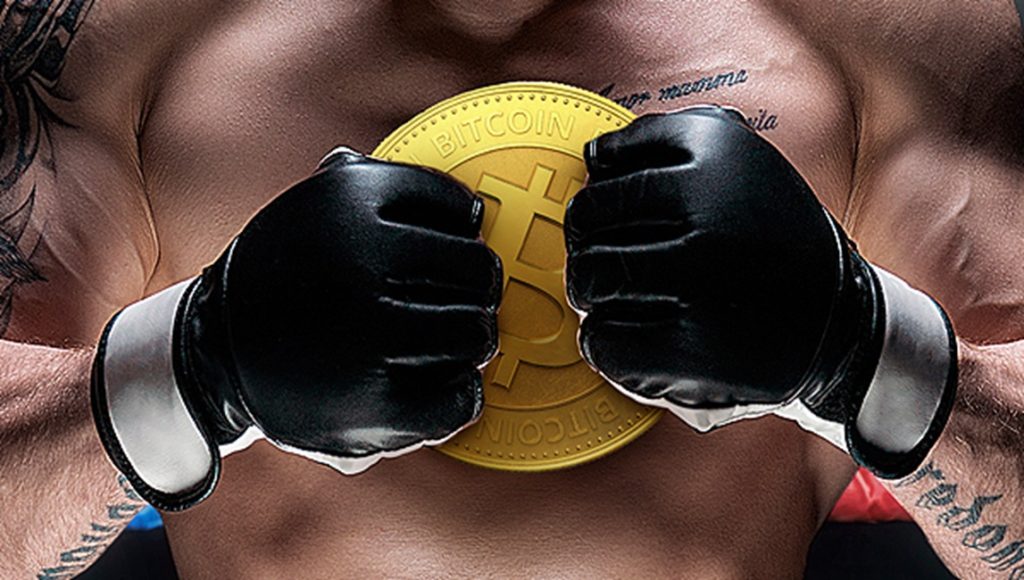
How Crypto Quietly Became the Default Way a Lot of MMA Fans Bet
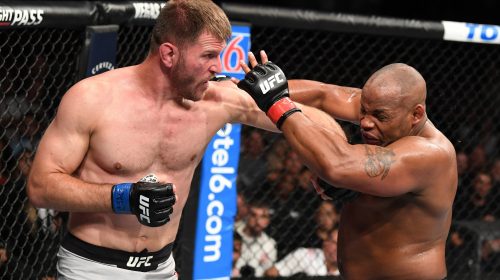
Walk through the betting habits of a typical MMA audience and you notice something that took the wider sports world years longer to catch up to. Fight fans went crypto early, and they did it for reasons that have almost nothing to do with ideology and almost everything to do with how the sport is actually consumed.
The MMA audience skews young, online and international. It is a demographic comfortable with digital wallets, used to following a sport that streams globally rather than airs regionally, and often located in places where traditional betting options are thin or awkward. That profile lined up almost perfectly with what crypto payments offered, and the overlap was not an accident.
Fight nights are a settlement problem
Here is the practical bit. MMA does not spread its action evenly across a week the way a full sports calendar does. It concentrates it. A major card lands on a Saturday night, the whole audience is watching the same fights at the same time, and everyone wants to act in the same few hours.
That concentration puts pressure on the cashier. Fans want to fund an account before a main card and, if it goes well, get their winnings out without waiting four business days while their bank thinks about it. Card deposits fail more often than people admit, especially across borders and especially for anything gambling-related, and a declined deposit twenty minutes before a title fight is the fastest way to lose a customer for good.
Crypto rails sidestepped most of that. Funding is fast, withdrawals clear in minutes rather than days, and the international friction that plagues card payments largely disappears. Operators such as Duelbits leaned into that, building around near-instant settlement precisely because the fight-night audience treats withdrawal speed as a feature they can measure.
What actually matters when you choose where to play
None of that speed is worth much if the operator is not sound, and this is where fight fans should apply the same scrutiny they bring to breaking down a matchup.
Check that the site is licensed and that the licence is verifiable. Test a small withdrawal before you trust it with a real balance. Read the bonus terms rather than the bonus headline, because a big welcome number wrapped in impossible wagering requirements is worth less than a smaller, cleaner one. And keep your stakes to money you have genuinely set aside for entertainment, because a fast cashier makes it easier to chase, not just easier to cash out.
The market itself is watched more closely than casual bettors assume. Integrity bodies monitor for suspicious movement on combat-sports lines, which matters in a sport where the betting markets are thinner and a single well-placed rumour can move a price.
The honest read
Crypto did not change the fundamentals of betting on fights. The house still has an edge, most bettors still lose over time, and no payment rail fixes a bad staking plan. What it changed was the friction, and for an audience that acts in concentrated bursts around live events, less friction is a genuine convenience.
Just remember that convenience cuts both ways. The same instant settlement that gets your winnings out quickly also makes it easier to reload on tilt after a bad beat, and the discipline to not do that is worth more than any payout speed.
Bet what you can afford to lose, treat it as entertainment, and if it stops feeling that way, step back.
18+. When the fun stops, stop. Support is available via the National Council on Problem Gambling.