


















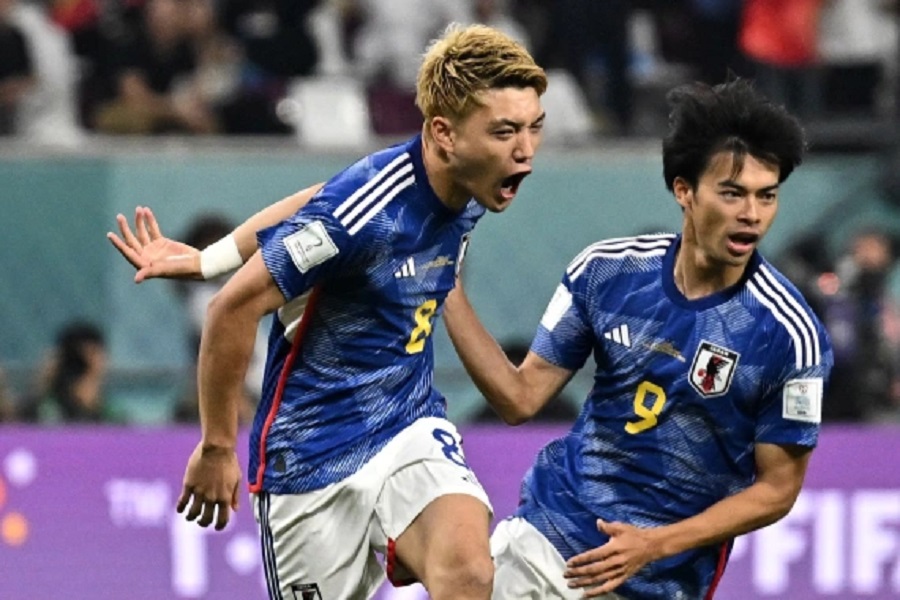
Why certain football teams become much more dangerous at specific moments of the season
Every football fan has seen it happen.
A team that looked average for months suddenly becomes almost impossible to stop. Matches that previously felt predictable begin turning chaotic because one club starts playing with a completely different level of confidence, rhythm, and intensity. Suddenly they are pressing harder, moving faster, creating chances more naturally, and winning games that would have slipped away earlier in the season.
And strangely, this transformation often happens without major tactical revolutions or huge transfers.
Sometimes the same squad that struggled in October suddenly looks terrifying in February. A club sitting quietly in mid-table suddenly becomes the team nobody wants to face during the final months of the campaign. Certain players who looked emotionally disconnected weeks earlier suddenly begin performing with complete freedom and confidence.
Football fans notice these shifts immediately.
But understanding why they happen is much more complicated.
Because the truth is that football seasons are emotional, tactical, and physical journeys that constantly change shape over time. Teams do not perform in a straight line across an entire season. They evolve emotionally. They adapt tactically. They recover physically. Confidence changes everything. Momentum changes everything.
And some clubs become especially dangerous exactly when the pressure of the season begins affecting everyone else.
Football seasons are built around emotional cycles
One of the biggest mistakes casual fans make is assuming teams maintain the same emotional level across an entire season.
That almost never happens.
Football is too mentally exhausting for consistency to remain perfectly stable over ten months. Players react emotionally to victories, defeats, injuries, pressure, expectations, media criticism, and tactical adjustments constantly throughout the year.
That means every team experiences emotional cycles.
Some clubs begin the season full of energy but slowly lose confidence once difficult results appear. Others start poorly because players are adapting to tactical changes, only to become much stronger once chemistry develops naturally over time.
There are also teams that thrive specifically when pressure increases.
And those clubs become incredibly dangerous during decisive moments of the season.
Confidence changes how teams play
One of the most underrated aspects of football is how dramatically confidence influences tactical behavior.
Confident teams move differently.
Players make faster decisions. Full-backs attack more aggressively. Midfielders take creative risks they would normally avoid. Defenders step forward with greater authority. Pressing becomes more coordinated because players trust each other emotionally.
When confidence disappears, the opposite happens immediately.
Teams become slower. Passing becomes safer. Defensive mistakes increase because hesitation appears everywhere. Players stop attacking space naturally because fear starts controlling decisions.
That emotional difference can completely transform how dangerous a team looks from one month to another.
And modern football fans recognize these patterns much more clearly than previous generations did.
Some teams are built for long seasons
Another reason certain clubs become stronger later in the season is because of how they are physically constructed.
Not every squad is designed to peak early.
Some managers intentionally prepare teams to become stronger during decisive stretches of the campaign rather than trying to dominate immediately from the opening weeks. Rotations become important. Physical conditioning is managed carefully. Tactical systems slowly evolve as players gain rhythm and understanding.
This is especially noticeable with experienced squads.
Certain teams know exactly how to survive difficult stretches without panicking emotionally. They understand that football seasons are marathons rather than emotional sprints. And once other clubs begin struggling physically or mentally later in the campaign, these more balanced squads suddenly look far more dangerous.
Supporters often describe this as “experience.”
But in reality, it is usually a combination of emotional control, physical preparation, and tactical patience.
Fixture timing changes everything
Football seasons are not emotionally neutral.
Timing matters enormously.
A difficult run of fixtures early in the season can damage confidence badly before teams fully settle tactically. On the other hand, clubs building momentum against weaker opposition may suddenly gain emotional confidence that transforms their entire campaign.
Winter schedules also change everything physically.
Fatigue accumulates differently depending on squad depth, travel demands, injuries, and competition schedules. Teams involved in multiple tournaments often begin looking emotionally exhausted by late winter, while clubs focused on one competition suddenly appear fresher and sharper.
These differences become especially important during decisive moments of the season.
And honestly, many supporters underestimate how much fixture timing quietly shapes football momentum.
Tactical systems need time
Another major reason some teams become stronger later in the season is because modern football tactics are incredibly demanding.
Complex systems rarely function perfectly immediately.
Pressing structures require chemistry. Positional rotations need repetition. Defensive organization improves only through experience under pressure. Some tactical ideas simply need months before players fully understand the rhythm and spacing involved.
That is why certain managers often look much more dangerous in the second half of seasons.
Once tactical understanding becomes natural instead of forced, teams begin playing with more freedom and confidence. Movements become automatic. Pressing becomes coordinated. Decision-making becomes faster.
And suddenly the entire team looks transformed.
Football supporters often call this “finding form.”
But many times it is simply tactical chemistry finally reaching maturity.
Momentum becomes contagious
One of the most fascinating things in football is how momentum spreads emotionally through teams.
Once players begin believing strongly in the collective structure around them, performances often improve rapidly.
A difficult comeback victory can completely transform confidence. A strong defensive performance against a major opponent can change how players view themselves emotionally. Winning streaks create emotional freedom that makes teams far more dangerous creatively.
And because football seasons are emotionally unstable, momentum often matters more than overall quality during specific stretches.
That is why certain teams suddenly feel impossible to stop for several weeks even if they looked ordinary earlier in the campaign.
Confidence changes everything in football.
Pressure affects teams differently
As seasons progress, pressure naturally increases.
Title races become tighter. European qualification becomes realistic or dangerous. Relegation fears become emotionally exhausting. Every point suddenly feels heavier.
And this is where huge differences between teams start appearing.
Some clubs become nervous once pressure builds. Passing becomes slower. Decision-making becomes emotional. Tactical discipline disappears because fear starts influencing matches.
Other teams become stronger under pressure.
Certain squads actually thrive emotionally once the season becomes intense. Players focus more sharply. The atmosphere inside the club becomes more united. Tactical discipline improves because everyone understands the importance of every moment.
Those are usually the teams that become most dangerous late in the season.
Fans now notice hidden momentum shifts
Modern football supporters understand these patterns much more deeply than previous generations did.
Fans no longer analyze football only through league tables or isolated results. People pay attention to body language, tactical rhythm, confidence levels, and how teams emotionally react during difficult moments.
Supporters notice when pressing intensity suddenly increases. They recognize when players begin attacking with more freedom. They see when clubs stop looking emotionally fragile after conceding goals.
Football analysis became far more detailed because supporters now watch the emotional structure of teams, not only the final score.
Statistics alone rarely explain these changes
One interesting thing about football momentum is that statistics often fail to fully capture emotional transformations.
A team may produce similar possession numbers or shot totals throughout the season while looking completely different emotionally on the pitch. Confidence influences rhythm, aggression, movement, and decision-making in ways statistics cannot always measure perfectly.
That is why modern football analysis increasingly combines data with contextual interpretation.
Supporters want to understand why performances are changing, not simply whether they changed statistically.
Why some clubs peak perfectly
The most dangerous teams are often the ones that peak emotionally and physically at exactly the right moment.
Not too early.
Not too late.
The clubs that become truly dangerous usually combine tactical maturity, emotional confidence, physical freshness, and momentum all at the same time. Once those elements align, teams suddenly feel much stronger than they looked earlier in the campaign.
And honestly, football seasons are often decided by timing more than people realize.
Modern football fans look deeper now
Another reason these discussions became more common is because supporters consume football differently today.
Fans spend far more time analyzing tactical trends, scheduling pressure, confidence shifts, and momentum patterns than previous generations ever did. Football conversations became much more detailed online, especially around how certain teams evolve across long seasons.
That is why many supporters now follow tactical breakdowns, scheduling analysis, and even discussions connected to football predictions and tips because modern fans want to understand why certain clubs suddenly become more dangerous during specific parts of the season instead of simply reacting emotionally to recent results.
That deeper curiosity changed football culture completely.
Football will always remain emotional
Despite all the analysis, tactical discussions, and advanced data surrounding football today, the sport still remains deeply emotional at its core.
One comeback victory can transform belief overnight. One painful defeat can destroy confidence for weeks. One player returning from injury can completely change the atmosphere around a squad.
That emotional instability is part of what makes football so addictive.
And maybe that is exactly why certain teams suddenly become terrifying during specific moments of the season.
Because football is never only about tactics or statistics.
It is also about timing, belief, pressure, and emotional momentum colliding at exactly the right moment.
Conclusion
Certain football teams become much more dangerous at specific moments of the season because football is shaped constantly by emotional cycles, tactical evolution, physical freshness, confidence, and momentum.
Teams do not move through seasons in straight lines. They adapt, mature, recover, and sometimes suddenly discover emotional rhythm exactly when pressure begins affecting everyone else.
Modern supporters understand these hidden patterns far better now than previous generations did.
That is why football conversations today feel much deeper than simply discussing wins and losses.
Fans want to understand the emotional and tactical forces shaping why some clubs suddenly become unstoppable while others slowly collapse under the pressure of a long season.
And honestly, that complexity is one of the reasons football continues to feel different every single week.