








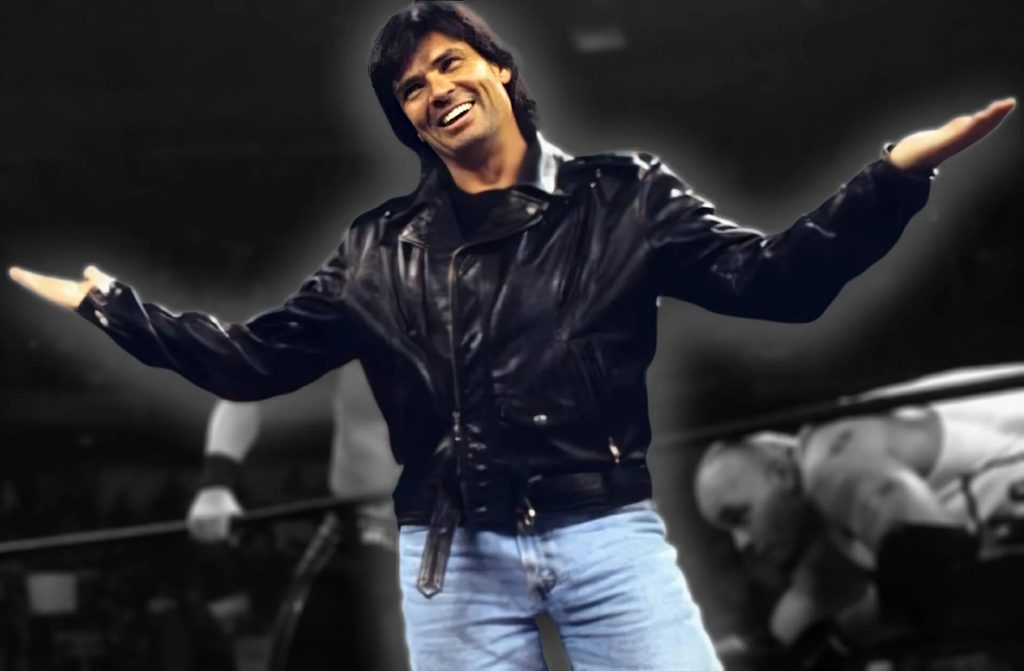
Eric Bischoff: The Visionary Who Revolutionized Professional Wrestling and Ignited the Monday Night Wars
Eric Bischoff is one of the most influential and controversial figures in professional wrestling history. Love him or criticize him, there’s no denying that his contributions reshaped the industry during its most competitive era. From spearheading the Monday Night Wars to revolutionizing wrestling presentation, Bischoff’s accomplishments left a lasting impact on the business.
Here’s a look at some of his greatest achievements in wrestling.
1. Leading the Monday Night Wars with WCW
When Bischoff became Executive Vice President of World Championship Wrestling (WCW), the company was struggling to compete with World Wrestling Federation (WWF, now WWE). In 1995, he made the bold decision to launch Monday Nitro, going head-to-head with WWF’s flagship show, WWE Raw.
This move sparked the legendary “Monday Night Wars,” a ratings battle that forced both companies to innovate. Under Bischoff’s leadership, WCW defeated WWF in the ratings for 83 consecutive weeks—an unprecedented achievement at the time. That period remains one of the hottest and most profitable eras in wrestling history.
2. Creating the nWo Storyline
Perhaps Bischoff’s most iconic accomplishment was helping create the New World Order (nWo) in 1996. The shocking debut of Scott Hall and Kevin Nash—followed by Hulk Hogan turning heel—changed wrestling forever.
The nWo storyline:
Introduced long-term, reality-based storytelling
Blurred the lines between fiction and reality
Popularized the “cool heel” anti-hero faction
The nWo became a cultural phenomenon, boosted WCW’s ratings to record highs, and heavily influenced future wrestling factions across the industry.
3. Bringing Major Mainstream Stars to Wrestling
Bischoff understood the value of mainstream crossover appeal. During his WCW tenure, he brought in major celebrity figures like Dennis Rodman and Jay Leno.
These appearances:
Generated massive media attention
Increased pay-per-view buys
Helped WCW feel larger than life
Rodman’s involvement in WCW in particular drew significant crossover interest from sports fans who might not otherwise have tuned into wrestling.
4. Elevating Cruiserweight Wrestling in the U.S.
While cruiserweights existed before WCW, Bischoff gave them a national platform on prime-time television. Wrestlers like Rey Mysterio, Eddie Guerrero, Chris Jericho were showcased in fast-paced, high-flying matches that introduced American audiences to a new style of wrestling. This emphasis on athleticism influenced future generations and paved the way for modern in-ring styles seen today.
5. Revolutionizing Wrestling Production and Presentation
Bischoff invested heavily in WCW’s look and feel. Under his leadership:
WCW Nitro was broadcast live weekly (a rarity at the time)
Shows were produced in major arenas
Presentation became more sports-like and dynamic
The sleek production and live atmosphere created urgency and unpredictability that helped define the late 1990s wrestling boom.
6. Being an On-Screen Authority Figure
Bischoff also played a major on-screen role as a villainous executive, particularly in WCW and later in World Wrestling Entertainment (WWE). His authoritative, manipulative character helped establish the “evil boss” archetype that became a staple in wrestling storylines.
His performance added realism and heat to major feuds, proving he wasn’t just a behind-the-scenes executive but also a compelling on-screen personality.
7. Forcing the Industry to Evolve
Perhaps Bischoff’s biggest accomplishment was indirect: he forced WWE to change.
The competition from WCW:
Pushed WWE into the Attitude Era
Elevated talent like Stone Cold Steve Austin
Encouraged edgier, more character-driven storytelling
Without Bischoff’s aggressive competition, wrestling may never have experienced its late-1990s golden boom period.
Final Thoughts
Eric Bischoff remains a polarizing figure in professional wrestling, but his accomplishments are undeniable. He took risks few executives were willing to take, changed the way wrestling was presented on television, and helped create one of the most exciting eras in the industry’s history.
Whether as a visionary or a disruptor, Eric Bischoff’s impact on professional wrestling is permanent—and the industry still feels the ripple effects of his bold decisions today.