



















Benefits of Scalp Oils for Hair Growth and Health
Most people treat hair problems from the outside — a new shampoo, a different conditioner, maybe a hair mask on weekends. But if your hair is thinning, breaking, or just not growing the way it used to, the scalp is usually where the real story is. Healthy hair starts at the root, and the root lives in your scalp. That’s where scalp oils come in — not as a trend, but as a genuine tool for supporting hair health when used correctly.
Why the Scalp Needs More Attention Than We Give It
The scalp is skin. Like the skin on your face, it has pores, sebaceous glands, and a microbiome that needs to stay balanced. When the scalp gets dry, congested with product buildup, or inflamed, it directly affects the hair follicle’s ability to produce healthy strands.
A poorly nourished scalp can lead to:
- Weakened hair follicles that produce thinner hair over time
- Increased hair fall due to dryness or scalp inflammation
- Slower hair growth cycles
- Dandruff or flaking that signals an imbalanced scalp environment
Scalp oils work by addressing these conditions at the skin level — improving circulation, reducing dryness, and creating a better environment for follicles to function.
How Scalp Oils Actually Support Hair Growth
The connection between scalp oiling and hair growth isn’t just traditional wisdom. There’s real biology behind it.
When you massage oil into your scalp, the physical act of massaging increases blood flow to the area. Better circulation means follicles receive more oxygen and nutrients, which supports the active growth phase of hair. Some oils also have anti-inflammatory properties that calm an irritated scalp, and others contain fatty acids that strengthen the scalp’s natural barrier.
Certain oils, like castor oil for hair, have been used for generations because of their thick consistency and ricinoleic acid content, which is believed to support circulation and reduce scalp inflammation. The results aren’t overnight, but with consistent use, many people notice improvements in hair density and texture over a few months.
Choosing the Right Oil for Your Scalp Type
Not all scalp oils work the same way, and using the wrong one can do more harm than good. Someone with an oily scalp who uses heavy oil incorrectly may end up with clogged follicles. Someone with a dry, flaky scalp may need a richer blend.
Here’s a simple way to think about it:
- Dry scalp: Oils like sesame, almond, or coconut can help restore moisture and reduce flaking
- Oily or acne-prone scalp: Lighter oils like jojoba or tea tree-infused oils work better without clogging pores
- Thinning hair or hair fall: Look for oils that combine nourishing bases with active botanicals that support follicle health
- Sensitive or inflamed scalp: Neem and bhringraj-based oils have calming and antimicrobial properties
The goal isn’t to drench your scalp — it’s to use the right amount of the right oil and give it time to work.
How to Oil Your Scalp the Right Way
Application matters as much as the oil itself. Pouring oil onto your hair and leaving it isn’t the same as actually oiling your scalp.
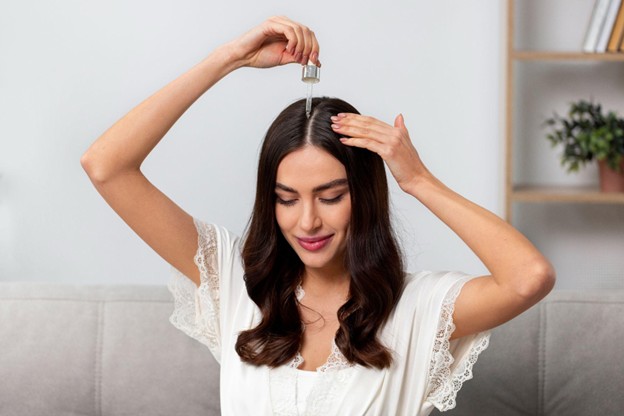
- Section your hair and apply oil directly to the scalp using your fingertips or a dropper
- Massage gently in circular motions for 5 to 10 minutes — this is what stimulates circulation
- Leave it on for at least 30 minutes, or overnight for deeper conditioning
- Wash out thoroughly to avoid buildup that could clog follicles
Frequency also matters. Two to three times a week is generally sufficient for most people. Daily heavy oiling can sometimes do the opposite of what you intend.
Where Targeted Formulations Make a Difference
Generic oils from the kitchen shelf have value, but they’re not always optimized for hair loss or thinning. Some formulations are specifically designed to address scalp health as part of a broader hair growth approach. The Traya Scalp Oil is one such product — built around the idea that scalp health and follicle nourishment need to work together. Approaches like Traya’s focus on identifying root causes of hair loss rather than just treating symptoms externally, which is worth understanding if you’ve been struggling with persistent hair fall.
Final Thoughts
Scalp oils are not magic, but they’re not overrated either. Used consistently and correctly, they genuinely improve scalp conditions that contribute to hair thinning and poor growth. The key is understanding what your scalp actually needs — and then being patient enough to give it time to respond. Healthy hair is usually the result of several things working together, and a well-nourished scalp is one of the most important pieces of that puzzle.