








Who Is Elliott Loewenstein? A Look at the Security Professional Behind UFC Global Event Security
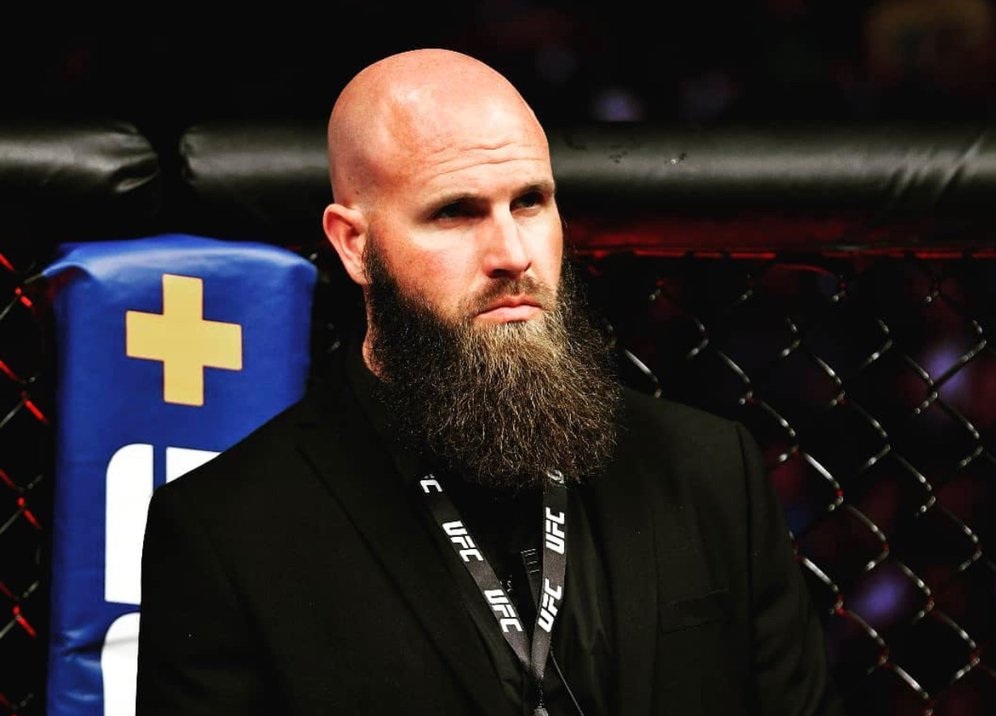
Elliott Loewenstein is a security professional whose career spans military service, executive protection, corporate security, and the complex world of international sports events. He is best known publicly for his work with the Ultimate Fighting Championship (UFC), where professional profiles identify him as a Global Event Security Manager. His career reflects a progression from military service into private security and, ultimately, large-scale event security management.
From Military Service to Security Management
Loewenstein’s professional background began in the U.S. military. According to his professional profile and an interview published by EP Wired, he served with the U.S. Army’s 10th Mountain Division as an infantry squad leader after earlier service as a Gunner’s Mate in the U.S. Coast Guard. He has described his military experience as foundational to his later career in security.
After leaving the Army, Loewenstein moved into private security. His experience has included operations management, executive protection, personnel management, risk assessment, and security planning. Public professional profiles list positions with organizations including TEAM Security, SRS Protection, and Keelson Strategic.
This combination of military and private-sector experience has become an important part of Loewenstein’s professional identity. Rather than focusing solely on physical protection, his career has increasingly centered on planning, coordinating personnel, assessing risks, and managing security operations in demanding environments.
His Role With the UFC
Loewenstein is particularly associated with the UFC, one of the world’s largest mixed martial arts organizations. Public professional information identifies him as a Global Event Security Manager, with his UFC career dating to 2019. A UFC organizational listing places him within the company’s Event Security Management team, which is responsible for planning and coordinating security measures for global events.
The position is considerably broader than simply providing security at an event. Major sporting events can involve athletes, coaches, executives, celebrities, employees, media, venue personnel, contractors, and large crowds. Security teams must consider everything from venue access and transportation to emergency response, personnel coordination, and contingency planning.
In a 2024 interview with EP Wired, Loewenstein said he had been involved in more than 100 events across more than 12 countries. He emphasized the importance of venue familiarity, route planning, exit strategies, networking, and preparation for potential crises.
Building a Career in Executive Protection
Alongside his event-security work, Loewenstein has developed experience in executive protection. His public professional profiles list training from Executive Security International and Crisis Response International, including certifications and advanced training related to protective security and bodyguard operations.
His professional interests extend beyond individual protection. Loewenstein has spoken about the importance of building relationships within the security industry and developing a network of professionals capable of supporting operations around the world.
That emphasis on relationships is particularly relevant to international event security, where security managers may need to work with local personnel, private security companies, venues, law enforcement, transportation providers, and other specialists.
Vargr Consulting and Entrepreneurship
Loewenstein has also pursued entrepreneurship within the security sector. In his EP Wired interview, he described himself as the founder of Vargr Group, a holdings company supporting projects related to the security industry. Other public profiles identify Vargr Consulting as an organization he founded.
His entrepreneurial work complements his role in event security by giving him an avenue to develop relationships and projects outside a single employer. Public professional information also lists additional security-related roles and business activities associated with him.
Training and Professional Philosophy
Loewenstein’s public profile lists numerous security and emergency-management credentials, including FEMA training in areas such as risk management, incident command, active-shooter awareness, surveillance awareness, and workplace security. He has also received certifications from Executive Security International and training through Crisis Response International.
His comments about the profession suggest an emphasis on preparation and continuous learning. In his 2024 EP Wired interview, he highlighted knowledge transfer and networking as important elements of professional development. His approach is centered on understanding an environment before an event begins and developing options for responding if circumstances change.
A Behind-the-Scenes Career
Unlike athletes, executives, or entertainers who are frequently visible at major sporting events, security professionals generally work behind the scenes. Loewenstein’s career illustrates the scale and complexity of that work.
A successful security operation is often one that the public barely notices. It requires anticipating potential problems, coordinating people and resources, and allowing an event to proceed without unnecessary disruption. Loewenstein’s career has placed him in precisely that type of role, particularly within the international sports and executive-protection industries.
What Is Elliott Loewenstein Known For?
Today, Elliott Loewenstein is primarily known as a security professional with a background that combines military service, private security, executive protection, and international sports-event management. His work with the UFC has made him a recognizable figure within the professional security industry, while his consulting and entrepreneurial activities have expanded his involvement beyond a single organization.
His career also demonstrates how military experience can translate into civilian security leadership. Rather than ending with military service, Loewenstein’s experience became the foundation for a career involving risk management, personnel leadership, protective operations, and the security challenges associated with high-profile international events.
Conclusion
Elliott Loewenstein is a security executive and entrepreneur whose career has developed from military service into international event security and executive protection. His association with the UFC, combined with his work in consulting and professional security, has positioned him as a notable figure within the private-security industry.
While much of his work takes place away from the spotlight, his responsibilities illustrate the extensive planning required to protect people and maintain security at major international sporting events. His professional journey—from the U.S. military to private security and global event management—provides a useful example of how operational experience, specialized training, and professional networking can shape a career in modern security.