











Why the UFC No Longer Needs Another Conor McGregor
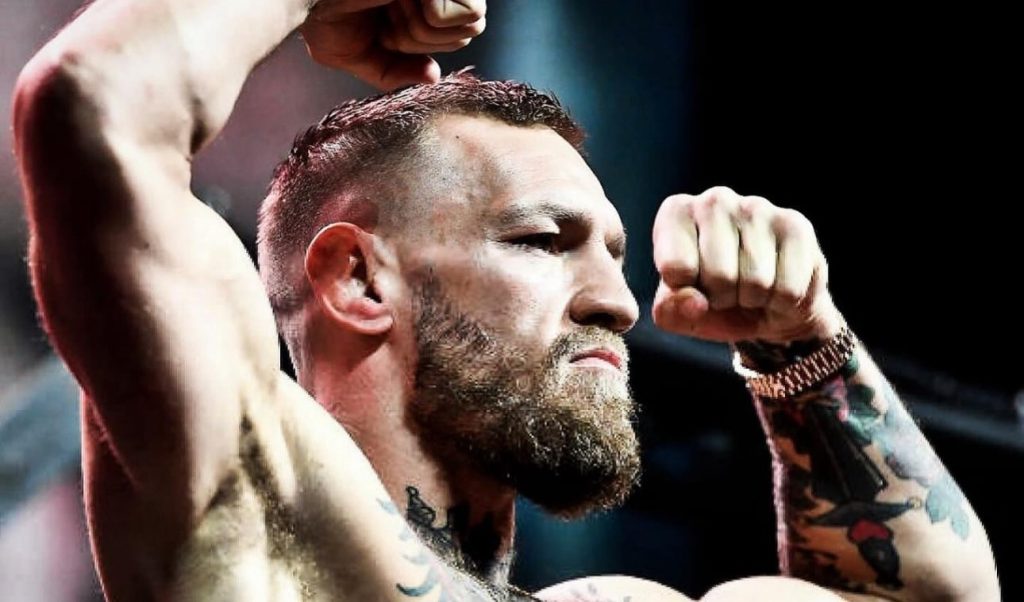
For a long time, one name stood above the rest in mixed martial arts: Conor McGregor, who became the face of the sport through his results, his personality, and his ability to draw attention from people who did not usually follow fighting. His rise helped the Ultimate Fighting Championship (UFC) reach a wider audience and brought new eyes to events across the world. It is easy to see why many believed the organisation would need another figure like him to keep growing.
The UFC Today
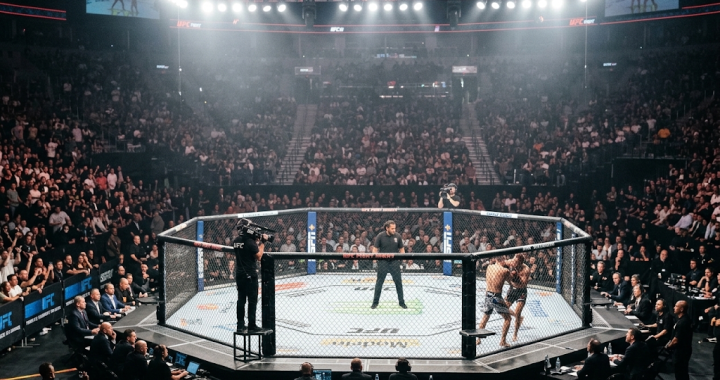
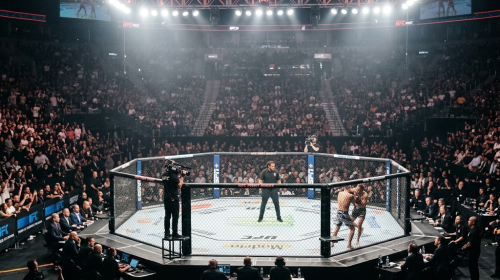
The sport today looks quite different, and the UFC no longer depends on one person to generate interest or attention, but instead, has built a deeper group of fighters who each bring something of their own. This change has shaped how fans follow the sport and how events are put together as a whole, and the focus has shifted from just one central figure to a wide range of talent that supports the sport across the full year. Combining diverse talent with big historic events like the White House or ‘Freedom 250’ card, and the UFC 300 card, the UFC has brought millions of new eyes to the sport, without relying on one star alone.
Growth of The Roster
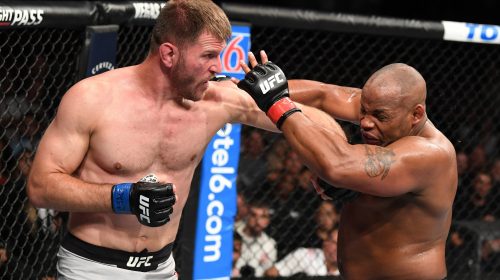
One reason for this shift is the growth of the roster, as more fighters come from many different places, and fans are now following athletes who share their background or style even more, spreading interest across many divisions rather than placing it on one name. Nowadays, the UFC is full of diverse talent, with stars like Alex Pereira (former middleweight and light heavyweight UFC champion), Ilia Topuria (former featherweight and current lightweight UFC champion, Islam Makhachev (former lightweight and current welterweight UFC champion), and Sean Strickland (current middleweight UFC champion) all contributing to the multinational talent that the UFC now thrives on, helping to build a steady base of talent within the organisation without relying on one star.
Enhanced Skill Level
Another factor is the newfound level of skill across the sport because fighters today are much more well-rounded and prepared than in earlier years. Training methods have improved drastically, especially at high-level gyms like AKA and ATT, where coaches offer elite training but also dabble in newer techniques to stay on top of the game. As a result, there are more competitive fights and fewer gaps between the top names, creating a situation where many athletes can headline events and hold the attention of viewers, shifting the focus from one person’s fame to the quality of the overall fight.
Social Media
The way people follow sport has also changed, with social media allowing fighters to connect with fans directly, and each athlete can build their own side hustles using their presence and share their story in a simple and steady way. This means attention is spread across many voices rather than centred on one figure, and some fighters become well known for their style, others for their record, and others for their approach to the sport, but together, they form a wider picture that keeps people interested.
How the UFC Has Adapted
The UFC has adapted when considering there is no longer a need for one mega-talent, with events now built around strong matchups rather than relying on one headline name. Title fights, rankings, and natural rivalries all help shape interest to allow the organisation to stay consistent even when well-known fighters are not active. Also, Fans can still find reasons to watch because the structure of the sport gives meaning to each fight.
New Talent
There is also a steady flow of new talent entering the sport, with Prospects like Aleksandre Topuria (7-1 record), Quillan Salkilld (5-0 in the UFC with 4 first-round knockouts), and Luke Riley (13-0 training out of Next Generation MMA) now arriving with strong amateur backgrounds and experience from other promotions. This means they are ready to compete at a higher level earlier in their careers, and many of these fighters bring fresh energy, which helps keep divisions active. As they develop, they give fans new names to follow and create natural competition at the top.
Fighter Careers
It’s also important to note that careers in fighting are often short-lived, and when considering the top level, with all the injuries, losses, and time away from competition that can affect any athlete. Relying too much on one person creates risk for any sport, and by spreading attention across many fighters, the UFC reduces this risk and creates a more stable system where contenders can rise without needing to match the path of those who came before.
The Fans
The audience itself has become more informed, with many viewers now understanding the details of fighting styles, training, and rankings. They follow divisions closely and keep track of rising contenders, and this knowledge allows them to enjoy events based on the matchups rather than the fame of one fighter. The sport becomes more about the fight and less about a single personality.
The UFC Brass
Leadership within the organisation has also shaped this direction, with Dana White supporting a model where many fighters can succeed at the same time rather than building everything around one name. This approach allows the promotion to stay active across the calendar and across different regions, and also means that events can remain strong even if one fighter is unavailable, which helps maintain a steady level of interest.
The Changing Perspective
The idea that the UFC needs another Conor McGregor comes from a time when one figure could shape the direction of the sport. This era played a massive role in the UFC’s growth, but by no means does it define their future, and the current model shows us that success comes from depth, balance, and steady development rather than depending on one big name.
Summary
The UFC now stands on a bigger base than ever before, and it’s supported by a wide range of different talents, a growing global audience, and a structure that values levelled competition instead of just fame and name alone. This makes the UFC less dependent on any single figure and more able to adapt over time, so they can continue to develop without needing to repeat the past.