















Why Wrestling-Heavy Fighters Gas Out Differently Than Strikers: The Hidden Cardio Demand Of Grappling
A fighter with a reputation as a cardio machine on the feet suddenly looks completely spent after a single takedown attempt gets stuffed against the cage. Commentators call it a gas tank problem, the same label applied to a striker who fades in round three of a five round main event. The two fighters are actually running out of two different fuel systems entirely, and treating them as the same conditioning problem is part of why so many wrestling-heavy fighters get misjudged by fans watching from home.
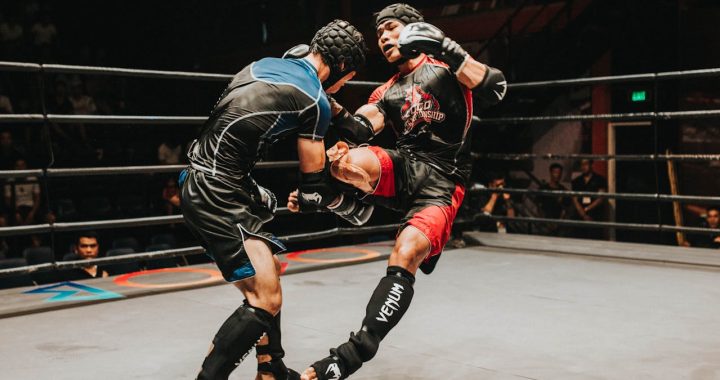
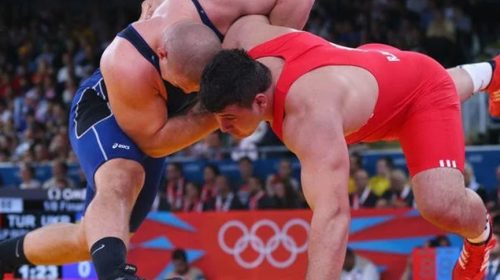
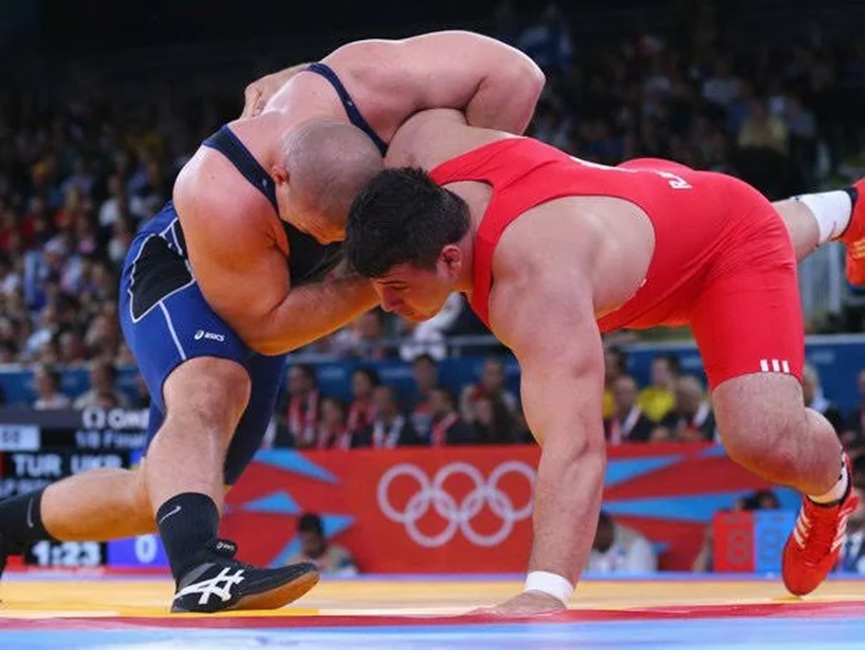
Striking-based cardio and grappling-based cardio draw on genuinely different physiological systems, even though both eventually show up as the same visible fatigue on a fight broadcast. Striking exchanges tend to involve short, explosive bursts with brief recovery windows built into the natural rhythm of exchanges and resets. Sustained grappling exchanges, by contrast, involve continuous isometric muscle contraction, gripping, controlling, and resisting an opponent’s full body weight, that never gets the same natural recovery window a striking exchange provides during a normal round.
This isometric, sustained-grip demand is where a lot of otherwise well-conditioned fighters run into real trouble. A fighter can have an excellent striking gas tank built through years of pad work and conditioning rounds and still gas out specifically during a prolonged clinch or top control sequence, because that specific muscular demand simply was not part of his conditioning work at any point in camp.
This distinction gets lost easily in fight commentary, since both failure modes look similar from the outside, heavy breathing, dropped hands, slower movement. The underlying cause is genuinely different, and treating both with the same generic conditioning advice misses what actually needs to be trained for each style.
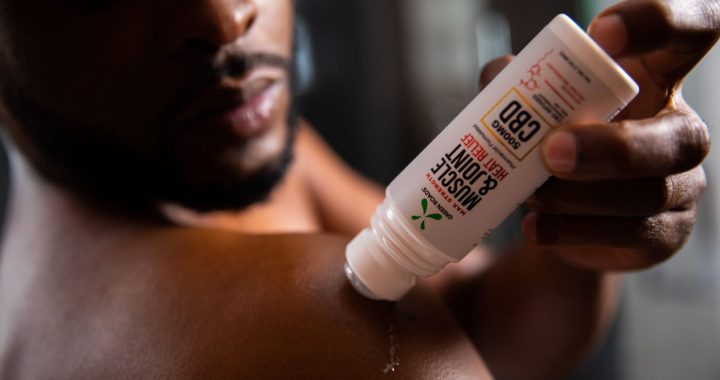
Joint and connective tissue demands compound this picture for wrestling-heavy fighters specifically, given the repeated stress grappling places on fingers, wrists, and shoulders during grip fighting and scrambles. Many fighters with a wrestling-heavy style now build collagen peptides into a daily nutrition routine alongside standard protein intake, aiming to support the joints absorbing this specific kind of repeated grip and control stress across a demanding camp. A fighter managing chronic grip fatigue or finger joint stress often treats this kind of supplementation as standard maintenance rather than a response to a new issue.
The broader nutritional foundation supporting this kind of conditioning work rests on well established research. A large meta-analysis published in the British Journal of Sports Medicine pooled data from 49 randomised trials and roughly 1,863 participants and found that protein supplementation produced measurable gains in lean mass and strength when combined with resistance-style training. The researchers identified a daily intake of around 1.6 grams per kilogram of body weight as the point past which additional protein stopped producing extra benefit in the pooled data, a target that matters directly for a fighter whose grappling-heavy training places sustained demand on forearm, grip, and postural muscles that need real recovery time between sessions.
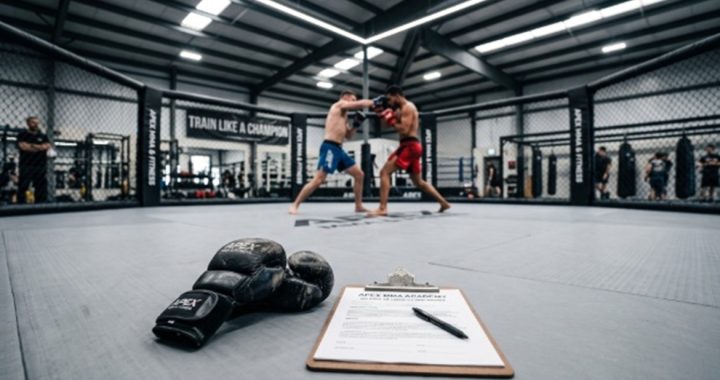
Training this specific isometric, grip-intensive endurance requires a genuinely different conditioning approach than the interval work most fight gyms already build their programs around. Extended positional sparring, controlled grappling rounds that mimic real fight-length control sequences, and grip-specific endurance work all target this demand directly in a way that standard pad rounds or heavy bag work simply do not replicate.
Grip endurance specifically deserves more dedicated training time than it typically gets in a standard camp, since a fighter’s ability to maintain control or defend a submission attempt late in a round depends heavily on forearm and hand endurance that fatigues on its own timeline, separate from overall cardiovascular fitness. A fighter with excellent cardiovascular conditioning can still lose a grip battle purely because his forearms gave out first.
Sport-specific research on grappling arts outside MMA, including wrestling and judo, has consistently found this same pattern, with grip and forearm fatigue emerging as a distinct limiting factor separate from general aerobic capacity. Training one does not automatically train the other, which is part of why a fighter’s overall conditioning score can look strong while a specific grappling exchange still exposes a real gap.
Coaches working with wrestling backgrounds coming into MMA sometimes overcorrect in the other direction, assuming their existing wrestling conditioning already covers everything a fight demands. Striking exchanges bring their own distinct energy system demands that a background purely in wrestling or grappling arts does not automatically prepare for, which is part of why a genuinely complete camp has to address both directions rather than assuming strength in one transfers fully to the other regardless of how dominant that background was at the amateur or collegiate level.
Weight class matters considerably here as well, since heavier fighters generally spend more time in sustained control positions absorbing another fighter’s full body weight than lighter, faster-paced weight classes where scrambles resolve more quickly. A heavyweight’s conditioning program built purely around striking-style interval work is likely missing the specific demand his actual fights place on his body.
Coaches working with wrestling-heavy fighters increasingly build camp around this distinction directly, structuring conditioning rounds specifically to replicate sustained control and grip demands rather than assuming general cardiovascular fitness automatically transfers to grappling-specific endurance. This kind of targeted programming represents a real shift from treating conditioning as one undifferentiated category of fitness applied identically across every fighter on a roster.
Recovery matters just as much as the training itself for a fighter managing this specific grip and joint demand across a full camp. Heat exposure increases blood flow to fatigued muscle tissue and triggers mild activation of heat shock proteins that support cellular repair, which is the specific reason backyard barrel saunas have become part of some grapplers’ recovery routines during a demanding training block, distinct from what an ice bath or compression gear actually does for the body. None of this replaces the underlying grip and control specific training itself, but it gives a fighter’s body extra support absorbing a training load considerably different from what a pure striker’s camp demands.
The next time a wrestling-heavy fighter looks completely spent after a single extended clinch exchange despite showing no fatigue at all on the feet, it is worth remembering that his gas tank is not actually failing him. It is simply a different tank than the one commentators are usually describing, drawn on by a specific, sustained muscular demand that standard striking-focused conditioning was never designed to train.
Fans evaluating a fighter’s conditioning after a rough round would do well to ask which specific demand actually exposed him before assuming a blanket cardio problem. A fighter gassing during clinch exchanges but sprinting fine on the feet is telling a very specific story about his training, one that a generic gas tank label completely misses.
This distinction also matters for how a fighter and his team should read a lopsided decision loss where he never looked hurt or badly outstruck. A close look at exactly where in the fight his output dropped, on the feet or in extended control positions, often tells a coaching staff far more about what needs to change in the next camp than the final scorecard or a simple gas tank explanation ever will.