















How MMA Fighters Can Rehydrate Safely After a Weigh In
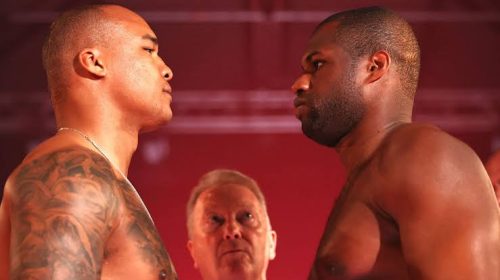
A weigh-in is a regulatory checkpoint. Passing it means a fighter made weight, with the harder work of getting his body back still ahead. Most promotions weigh fighters 24 to 36 hours before the first bell, which leaves a narrow window to replace the water lost in the cut. Handled well, a fighter reaches the cage near his trained weight and strength. Handled badly, he takes the deficit into the fight. The gap between those outcomes is a rehydration plan that respects how fast the body can take water back.
The Hours After the Weigh-In
A cut of 8% body mass can pull 5 to 6 kilograms of water out of a fighter. Replacing that is not a matter of drinking until the thirst stops. Work on rapid weight regain points to a target near 1.25 to 1.5 liters of fluid for every kilogram lost, because roughly a third of what goes in leaves again as urine before it reaches the cells that need it. A fighter who drops 5 kilograms is chasing 7 liters or more across the recovery window. A fighter who chugs a few bottles and calls it done can still walk in several pounds of water short.
The body sets its own pace. Full rehydration of muscle and blood can take 24 to 48 hours, longer than most fighters have. The realistic goal is to regain at least 10% of body mass and restore blood volume before the walkout, then accept that deep cellular stores may still lag. A plan built around that limit beats one built around the number on fight morning.
How Much to Drink and How Fast
Volume is only half the problem. The stomach empties at a ceiling of roughly 1 liter per hour, so a fighter who tries to down 3 liters at once does not absorb 3 liters. He bloats, feels sick, and may vomit back the fluid he needs. Steady intake near 1 to 1.5 liters per hour, taken in small and frequent amounts, moves more water into the bloodstream than any single large dose.
This is why recovery starts the moment a fighter steps off the scale and runs until the walkout. A fighter who paces fluid across 12 to 18 hours gives his gut time to keep up. One who waits and then floods his system late pays for it with cramps and a sloshing stomach in the cage.
The Right Mix in the Bottle
The container matters less than what fills it. A fighter rebuilding from a cut needs three things in proportion. Water provides volume, sodium keeps that water in the body, and a little carbohydrate speeds both into the bloodstream. Premixed hydration drinks meet that ratio without guesswork, though a measured mix of water, salt, and sugar does the same job.
Plain water has a place early, when thirst is sharp, but it cannot be the whole plan. Drinking only water dilutes blood sodium and quiets thirst before the fighter has replaced what he lost.
Sodium and Water Retention
Sodium is what turns swallowed water into retained water. A hard cut sweats it out of the body, and replacing it is what lets the bloodstream hold the fluid a fighter drinks. Sports nutrition guidance points to 50 to 90 millimoles of sodium per liter, around 1,000 to 1,500 milligrams, as the range that keeps the most fluid in circulation. Drinks without sodium do the opposite, pushing more fluid out as urine before recovery is complete. In one post-exercise trial, athletes held onto about 77% of an electrolyte solution after 3.5 hours, against 58% for plain water.
The sodium also drives the thirst that keeps a fighter drinking. That is part of why a salted electrolyte mix is closer to the best way to rehydrate after a cut than plain water, which leaves a fighter feeling done long before his body is actually restored.
The Absorption Ceiling
The gut does not pull water across its wall on its own. It relies on sodium and glucose moving together through the intestinal lining, dragging water with them. This is the principle behind oral rehydration, used in clinics since the 1970s, where a precise mix of salt and sugar pulls fluid into the body far faster than water alone.
The ratio has limits in both directions. A small amount of carbohydrate, around 1% to 3%, speeds absorption, while a heavy sugar load above 8% slows the stomach and delays everything behind it. This is why a syrupy sports drink can feel heavy while a lighter electrolyte solution empties and absorbs. For a fighter racing the clock, the lighter mix wins.
The Ban on the IV Shortcut
The fast route after a cut used to be a saline drip. That option closed in the UFC in 2016, when the anti-doping program banned IV infusions above a small volume, treating a drip as a way to mask other substances. A fighter caught using one now risks a multi-year suspension, with exceptions only for documented medical need.
The ban pushed the sport back toward the gut, which is where most sports physicians say recovery should happen anyway. As one emergency doctor writing on the physiology of dehydration put it, a fighter should obey his thirst, since thirst is the body’s own gauge of how much fluid it still needs. Oral rehydration is slower than a drip, but for a fighter without a medical exemption it is the only legal tool left.
A Safe Rehydration Plan
The safe version is not complicated. Start drinking the moment the weigh-in ends. Reach for a fluid with sodium and a little carbohydrate, take it in steady amounts the gut can keep up with, and aim for 1.25 to 1.5 liters for every kilogram the cut removed. Track urine color and body weight through the night as rough gauges of progress.
What a fighter cannot do is buy back 48 hours of cellular recovery in 18. The cut he chooses decides the size of the hole he has to fill. A smaller cut leaves a smaller deficit and a fighter who walks in closer to himself, which is the part of this no drink can fix after the fact.